
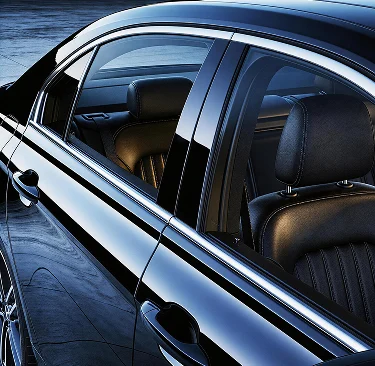
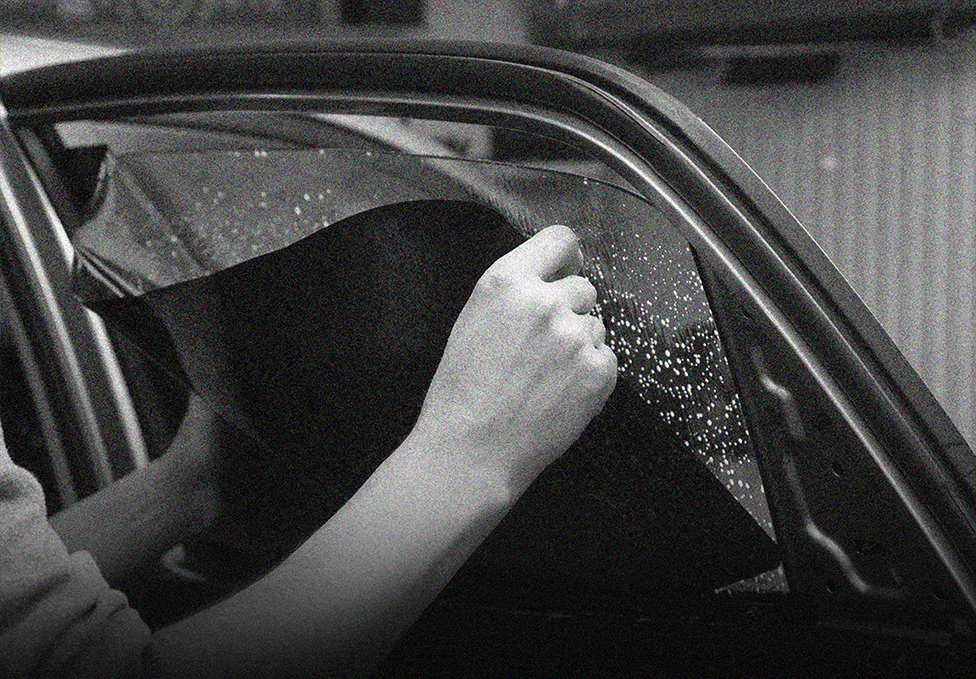
It is a thin film installed on automotive glass to manage visible light, solar heat, glare, and UV exposure. You choose it by measured performance and the finished view through the glass, not by shade alone.
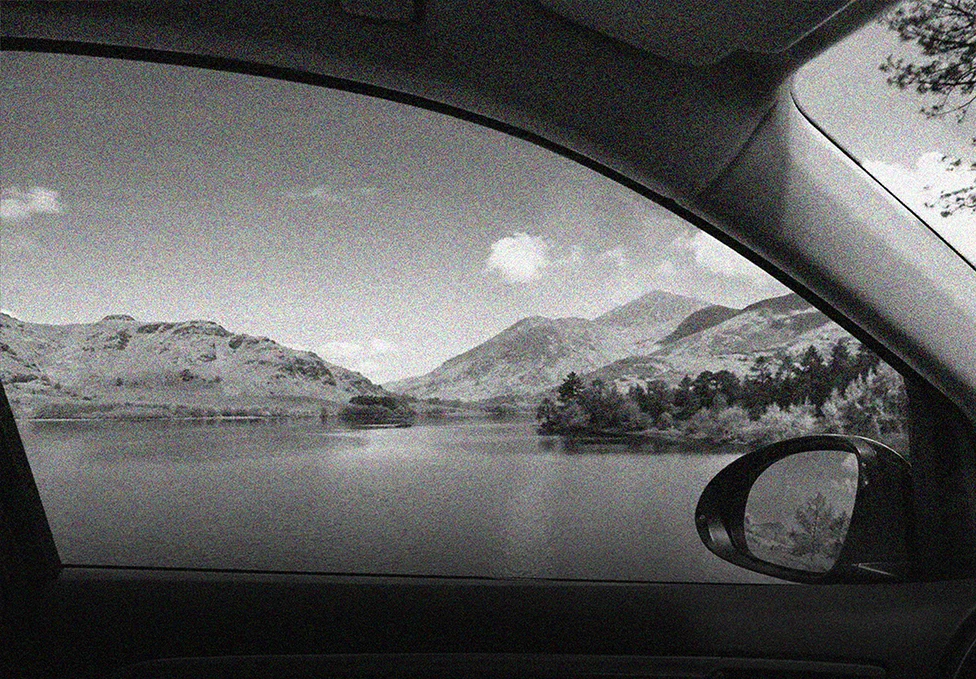
Visible Light Transmission tells you how much visible light passes through the film. A higher VLT generally looks lighter; a lower VLT looks darker. Your installer should account for the vehicle’s factory glass and check the completed combination against local rules.
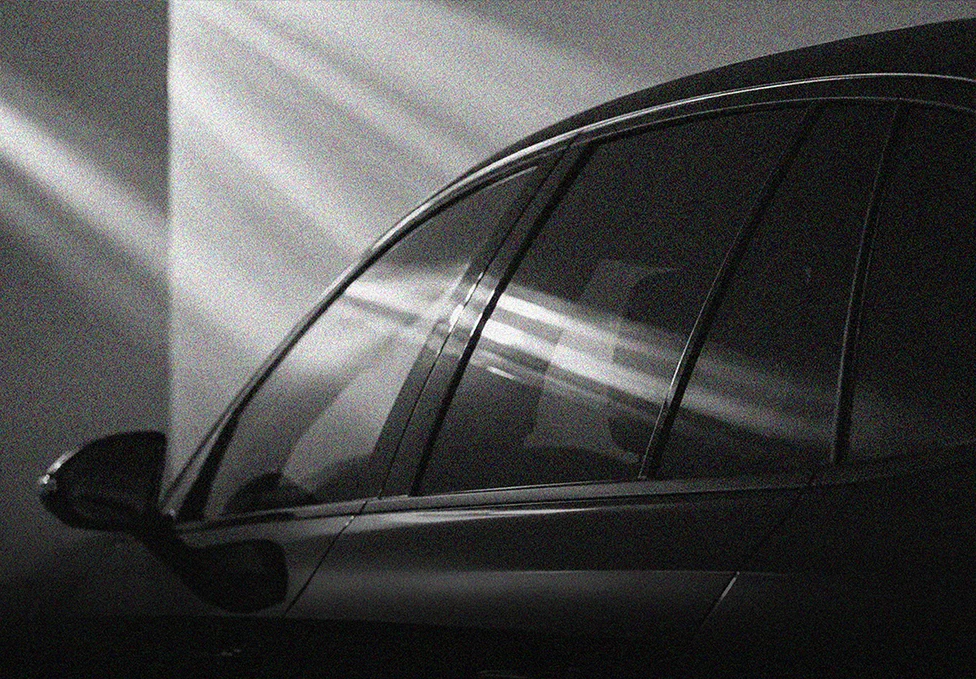
We recommend comparing current VLT, infrared rejection, total solar-energy rejection, visible-light reflectance, UV rejection, and signal compatibility. Open the relevant product page, then confirm the roll specification with your installer before fitting.
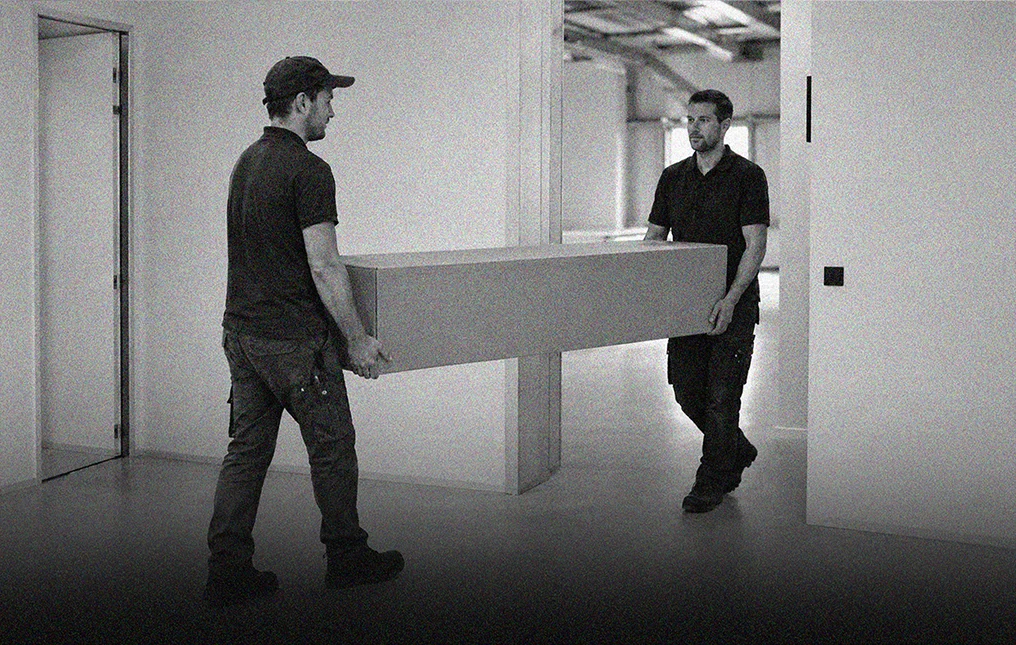
Selecting the right film depends on the vehicle, driving conditions, preferred finish, and desired level of coverage. Share your requirements with our team, and we will help identify the most suitable product and application options.
Contact us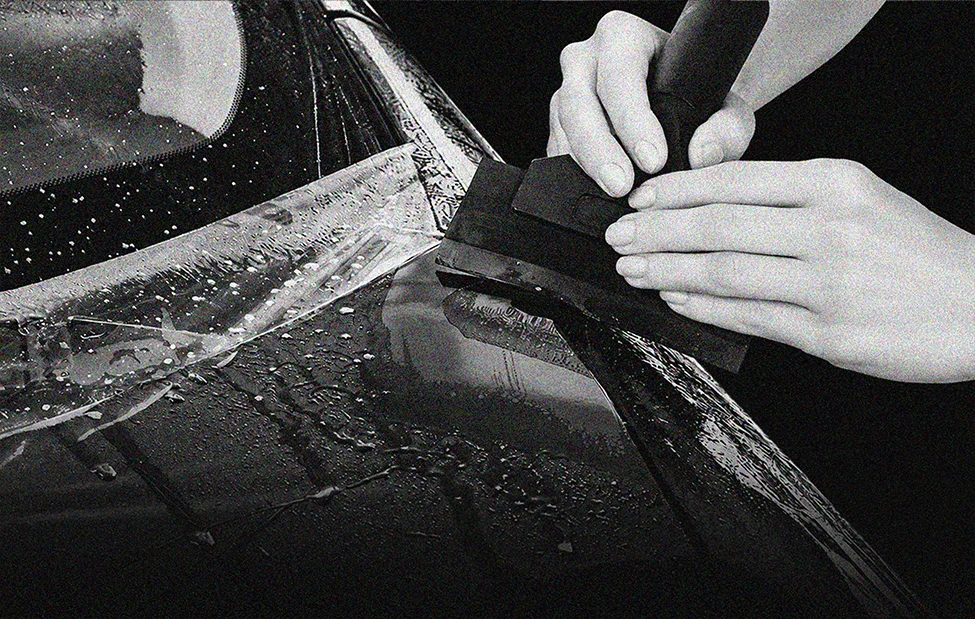
Professional installation is essential to achieving a precise fit, secure edges, and a consistent finish. Use our dealer locator to find an authorized CONERGIES installer in your area.
Find a dealer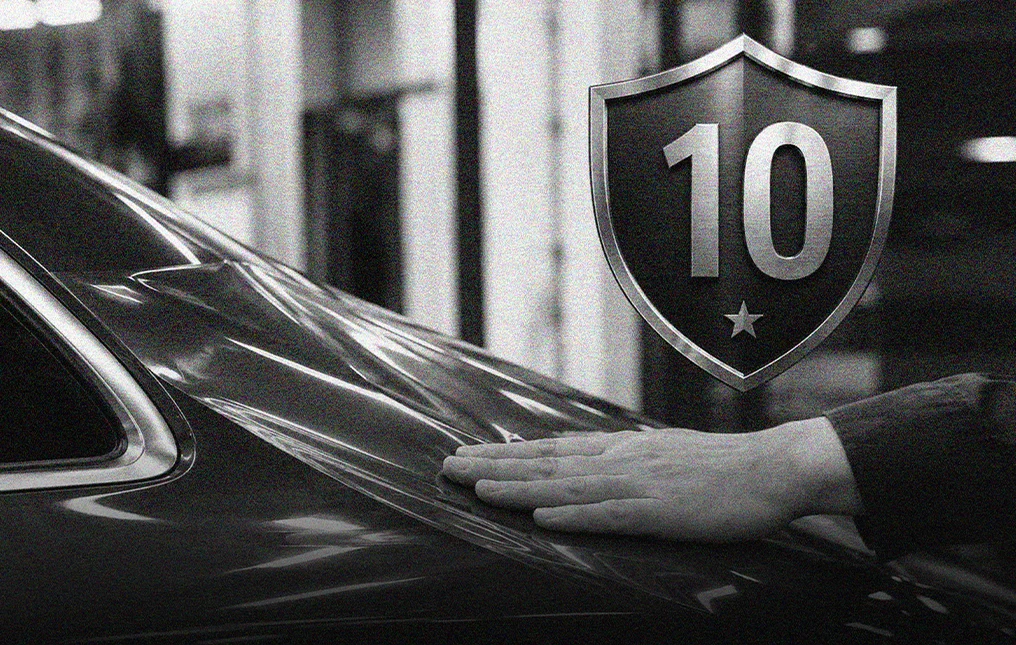
Access warranty registration, coverage lookup, and product care guidance after installation. Warranty eligibility and duration are determined by the selected product, installation record, region, and applicable warranty terms.
Warranty & care