
Paint Protection Film (PPF) is designed to protect a vehicle’s original paint while maintaining a crystal-clear appearance. However, one concern many vehicle owners and installers have is:
Why do some clear PPF films start turning yellow over time?
Yellowing is one of the biggest indicators of aging in a paint protection film. While modern PPF technology has improved significantly, the long-term clarity of a film depends on several factors — from the raw materials used to the coating system and manufacturing process.
1. TPU Material Quality Matters
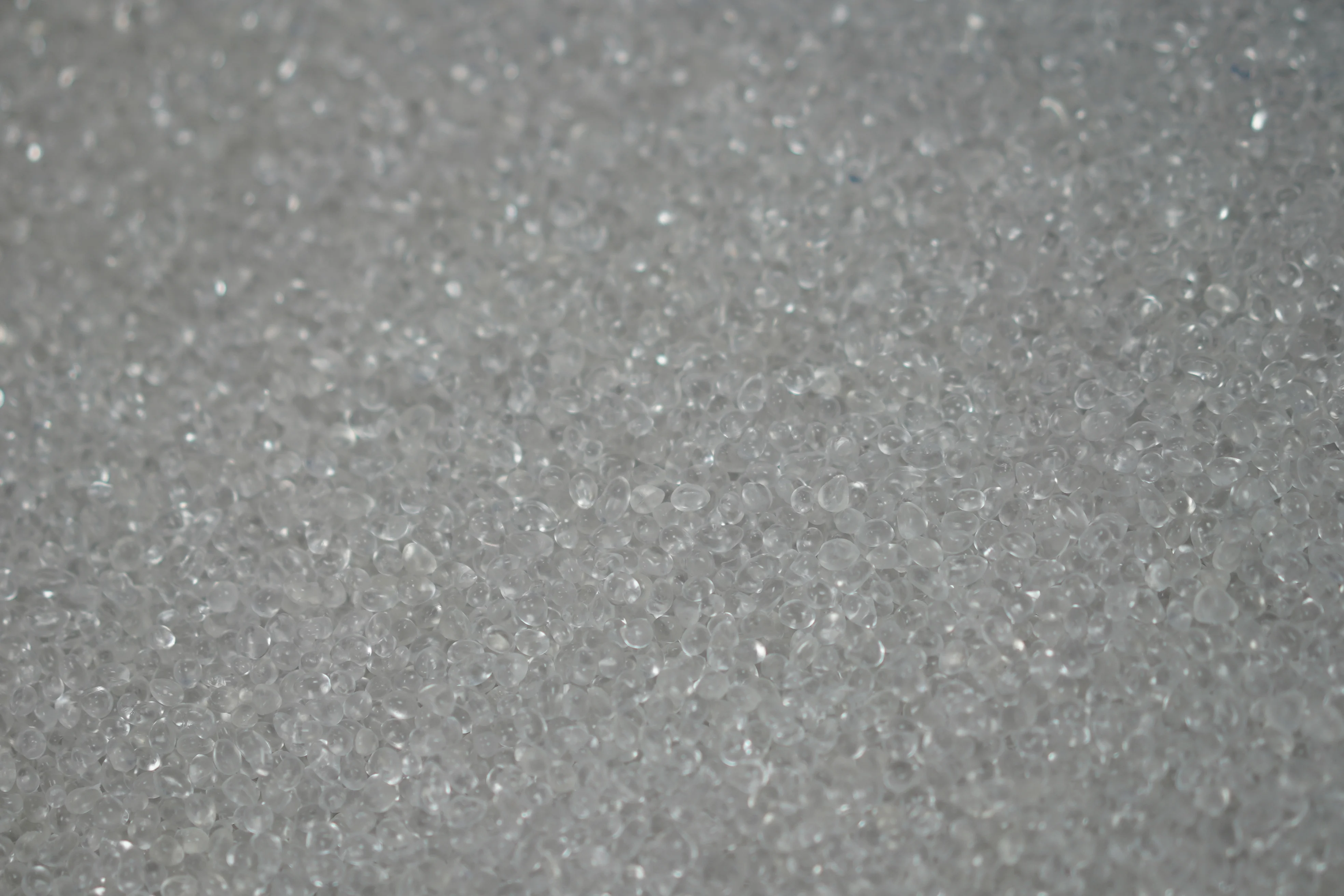
The foundation of any premium PPF is the TPU (Thermoplastic Polyurethane) layer.
Lower-quality TPU materials can be more vulnerable to UV exposure, oxidation, and environmental stress, which may cause the film to gradually lose its optical clarity and develop a yellow tint.
High-performance PPF uses advanced aliphatic TPU, which provides better UV resistance and long-term color stability compared with aromatic TPU materials.
At CONERGIES, our TPU system is engineered specifically for automotive paint protection applications, focusing on long-term durability, elasticity retention, and anti-yellowing performance.
2. UV Exposure and Environmental Aging
Vehicles are constantly exposed to sunlight, especially ultraviolet (UV) radiation.
Over time, UV energy can break down chemical bonds within materials, causing changes in the film structure. This process can lead to:
- Yellow discoloration
- Reduced transparency
- Loss of surface performance
This is why UV stability is one of the most important factors when evaluating PPF quality.
A premium PPF system should be designed to withstand years of outdoor exposure while maintaining its original appearance.
3. The Importance of the Top Coat
PPF is not just a layer of TPU.
A complete paint protection film system includes:
- TPU base film
- Adhesive layer
- Protective top coat
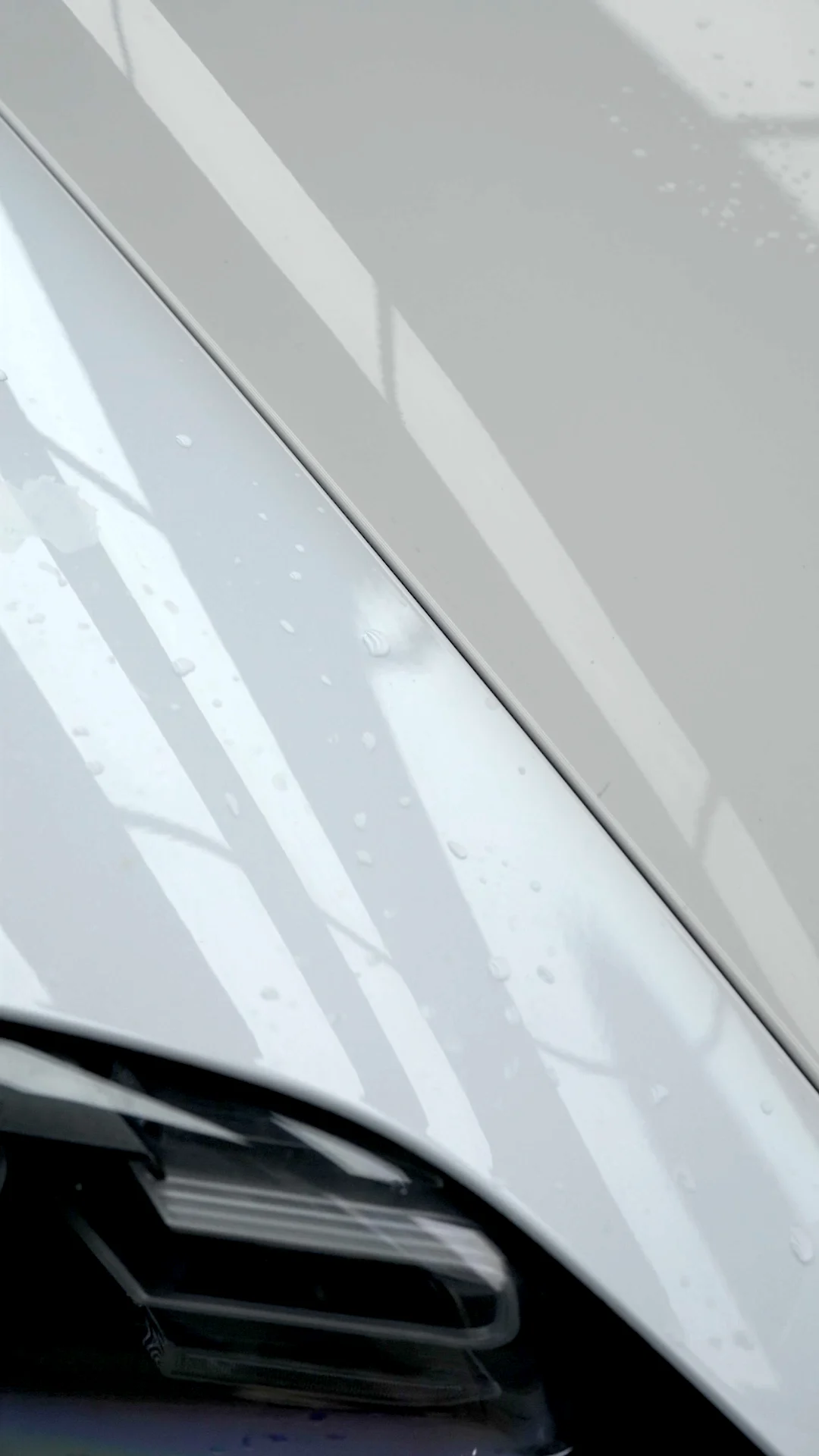
The top coat plays a critical role in protecting the film surface from UV rays, chemicals, contamination, and environmental damage.
A poorly engineered top coat can accelerate aging and affect the film’s appearance over time.
4. Adhesive and Manufacturing Compatibility
The performance of PPF depends on how each layer works together.
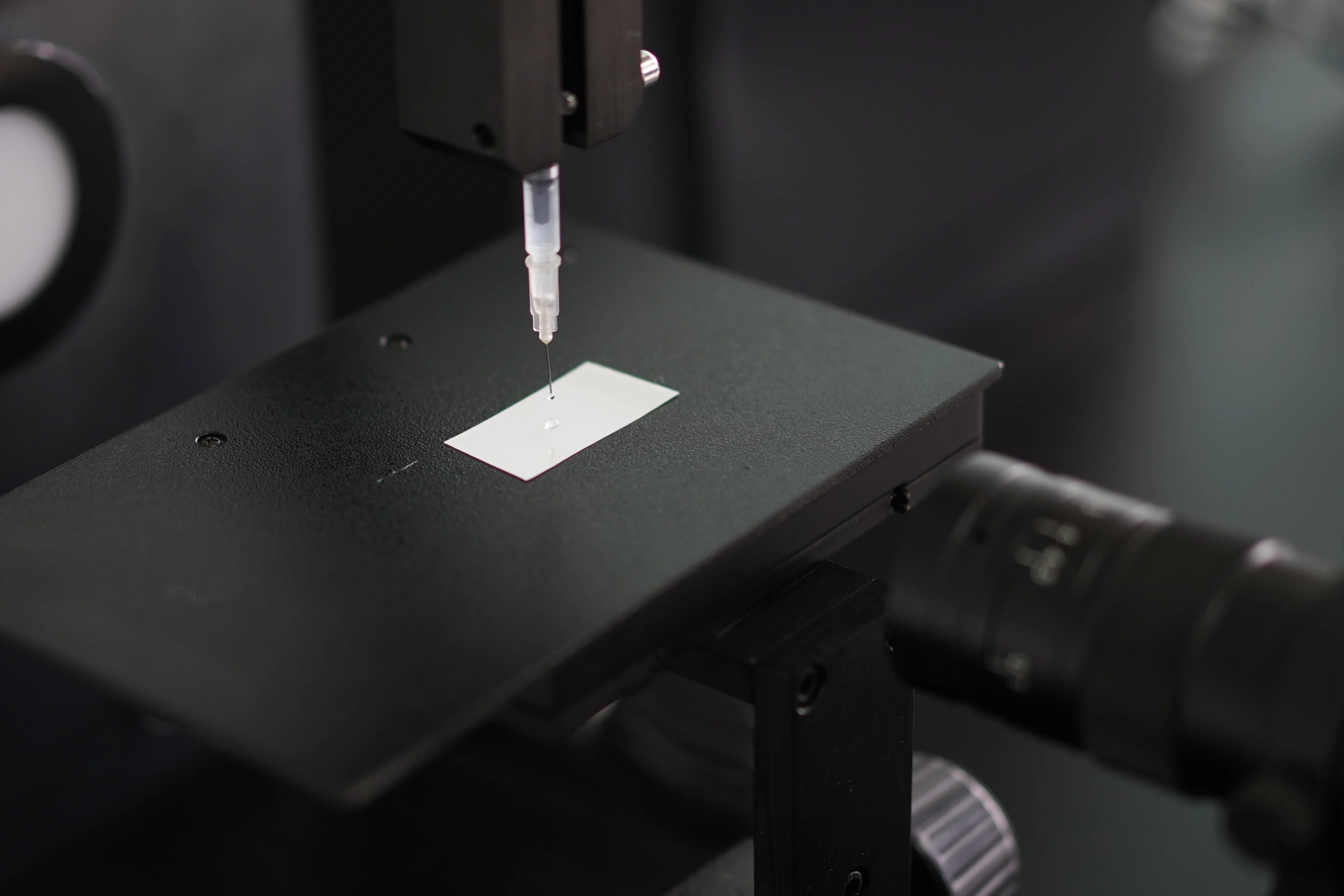
The TPU, adhesive, and coating must be carefully matched to create a stable film structure. If these components are not optimized together, long-term issues such as discoloration, reduced clarity, or inconsistent performance may occur.
This is why some manufacturers focus only on individual materials, while advanced PPF manufacturers develop the entire system together.
5. Heat, Pollution, and Chemical Exposure
Vehicles experience more than just sunlight.
Daily exposure to:
- Exhaust pollution
- Road contaminants
- Acid rain
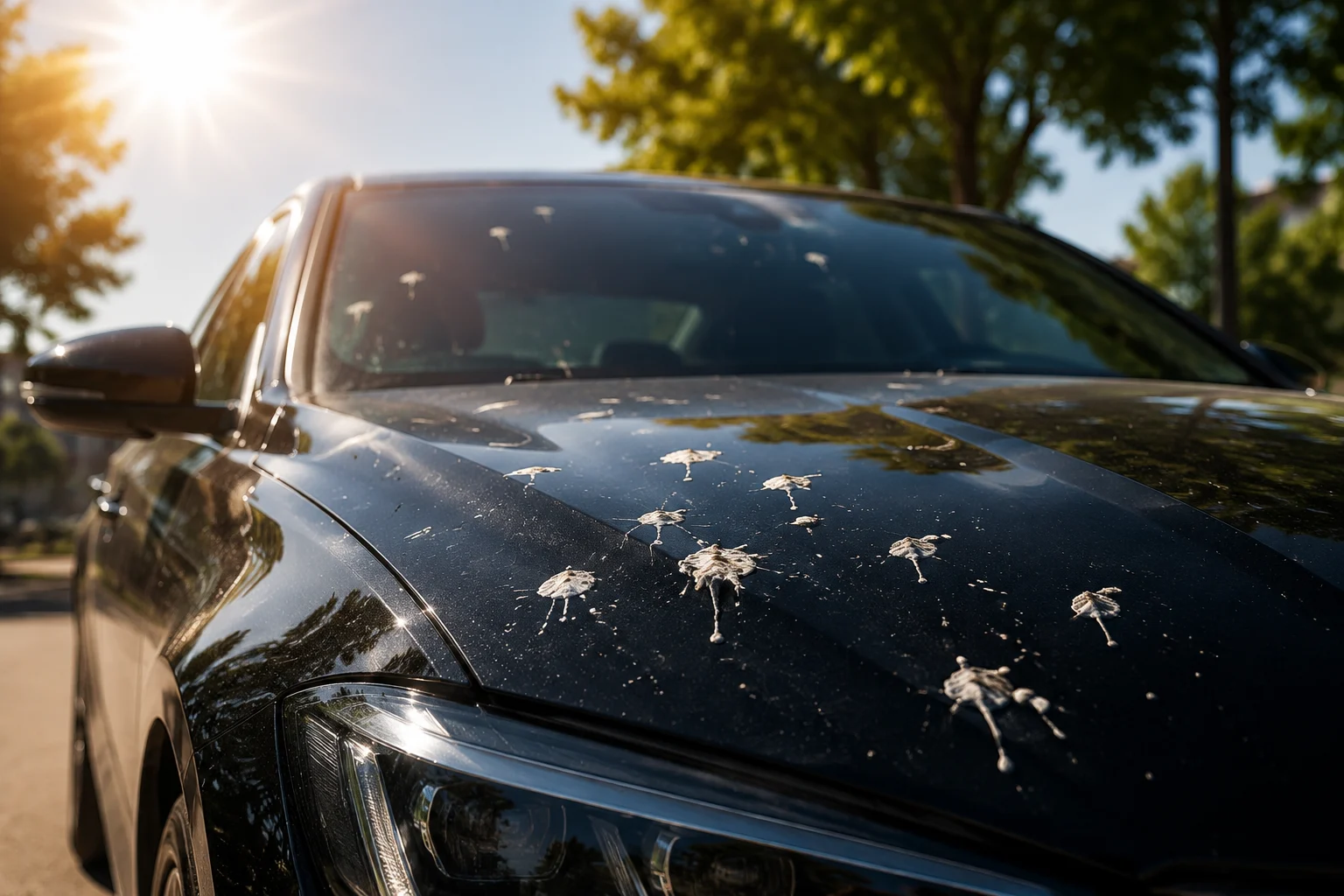
- Bird droppings
- High temperatures
can accelerate the aging process of lower-quality films.
A high-quality PPF should provide resistance against these environmental factors while remaining clear and durable.
How Does CONERGIES Approach Anti-Yellowing Performance?
At CONERGIES, we believe long-term clarity starts from the foundation.
Our PPF systems are developed with a focus on:
- High-performance TPU technology
- UV resistance
- Stable optical clarity
- Advanced coating systems
- Consistent manufacturing control
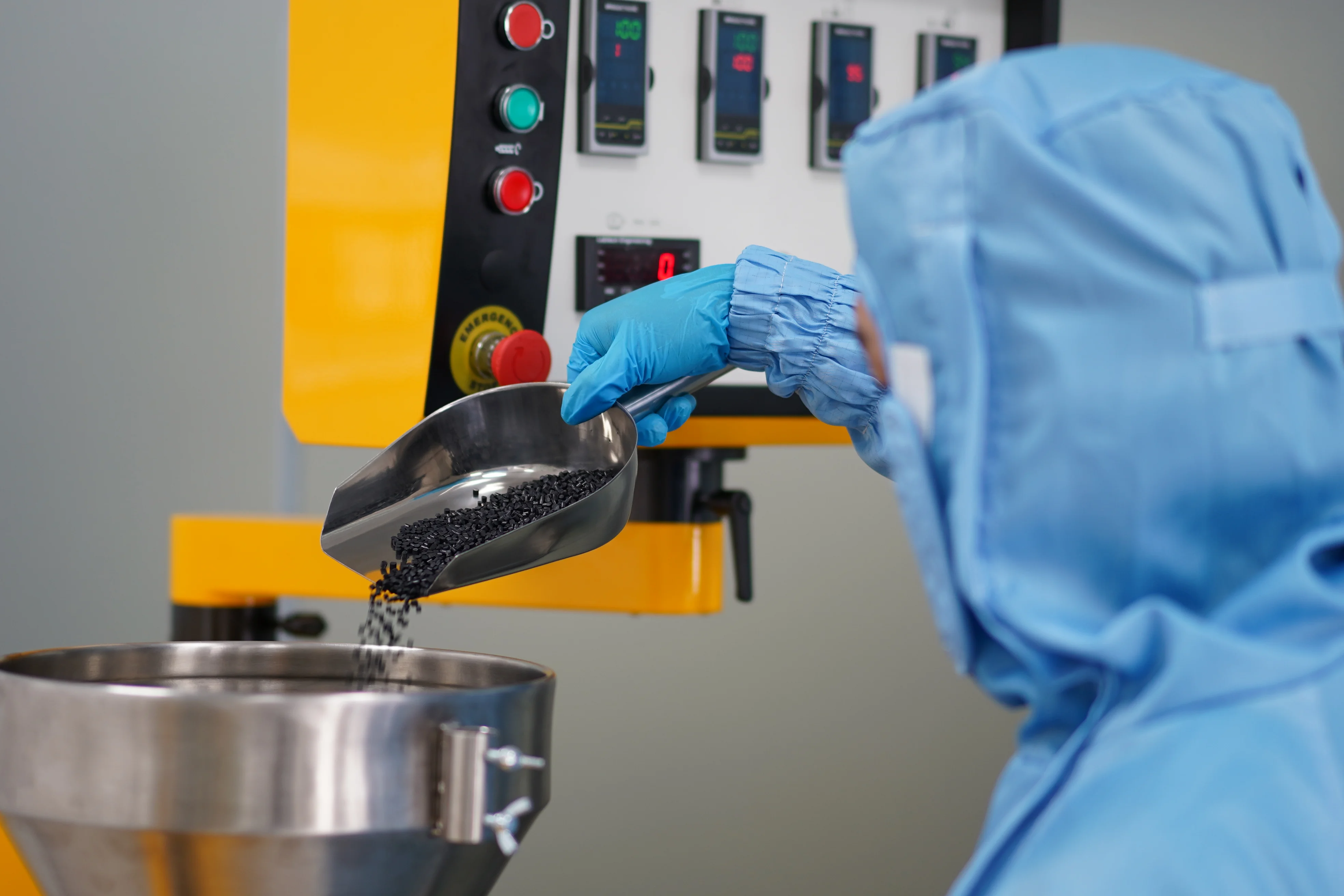
Through material development and testing, we continue to optimize our films to deliver reliable protection while maintaining the appearance of the vehicle.
Choosing PPF Is About Long-Term Protection
PPF is an investment in preserving a vehicle’s appearance. While many films may look similar when newly installed, differences in material engineering and manufacturing quality become more noticeable after years of exposure.
A premium paint protection film should not only protect against scratches and damage, it should continue to look clear, clean, and invisible throughout its lifespan.
Because true protection is not only about what happens on day one. It is about performance years later.