
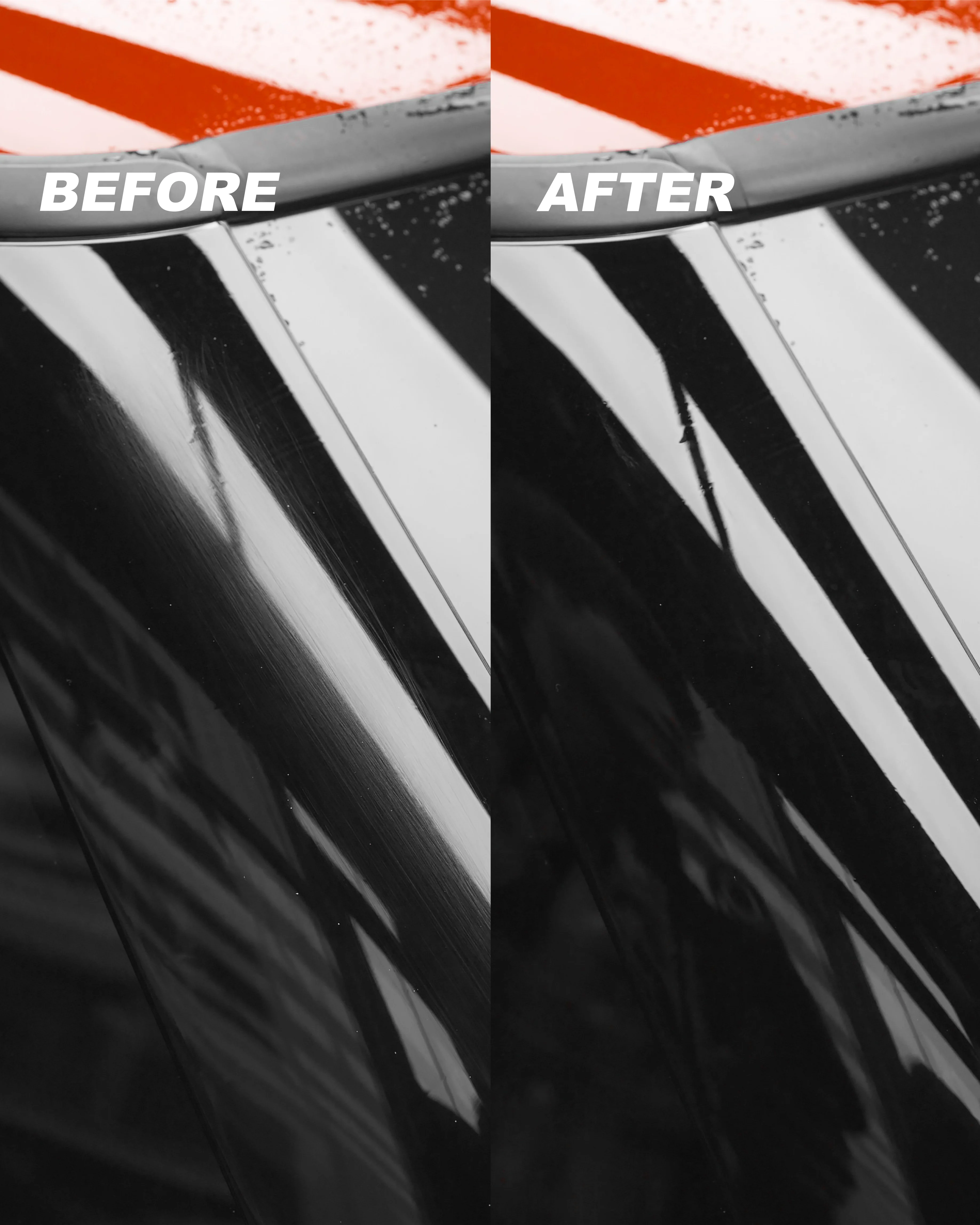
One of the most advanced features of modern Paint Protection Film (PPF) is self-healing technology, the ability of the film to repair minor surface scratches and restore its original appearance over time.
But how does self-healing PPF actually work?
The answer starts with the material structure of the film itself.
What Is Self-Healing PPF?
Self-healing PPF is designed with a special top coat layer that can recover from minor surface damage caused by everyday driving conditions.
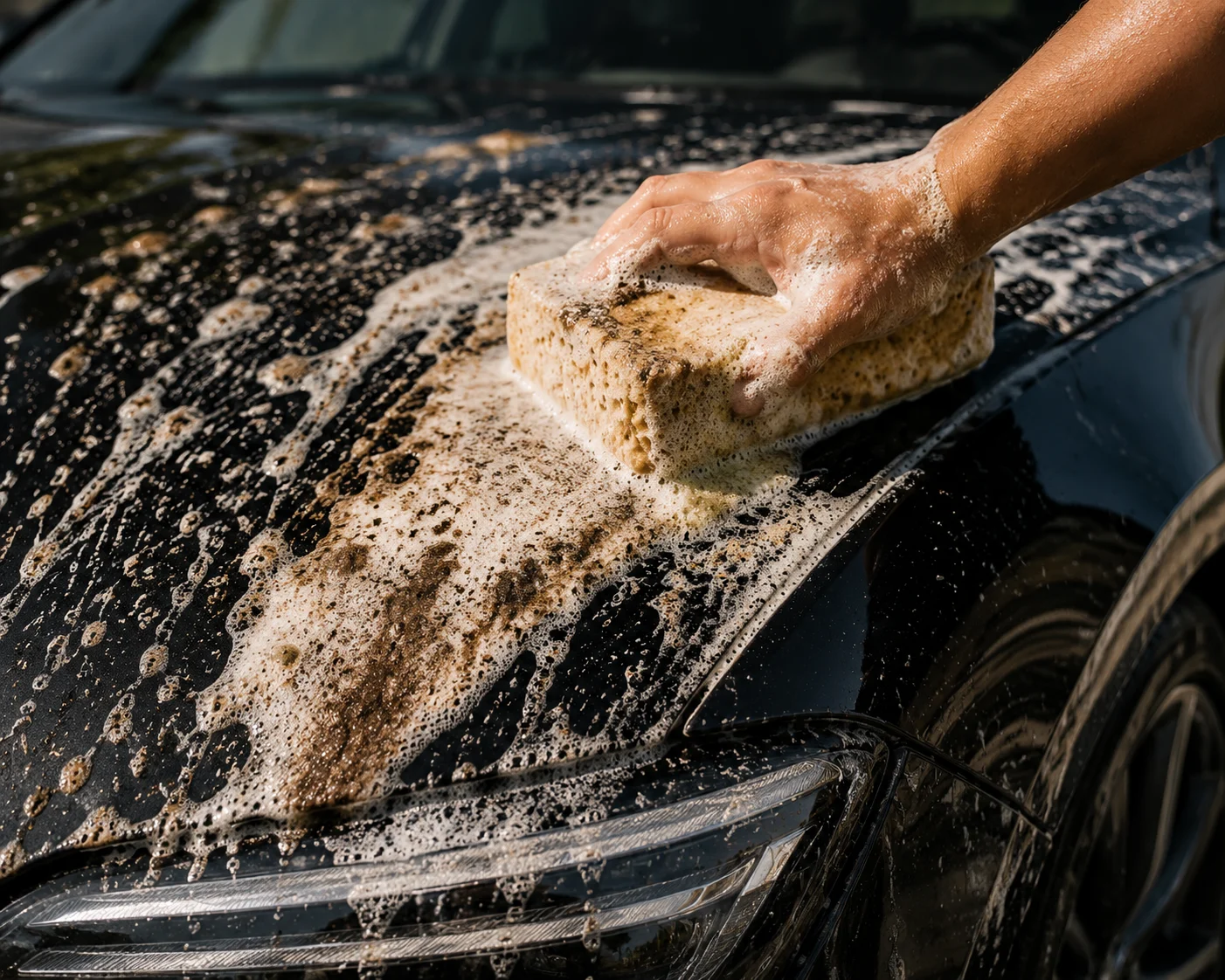
Small scratches and swirl marks can happen from:
- Automatic car washes
- Dust and dirt during cleaning
- Light contact with bushes or branches
- Daily environmental exposure
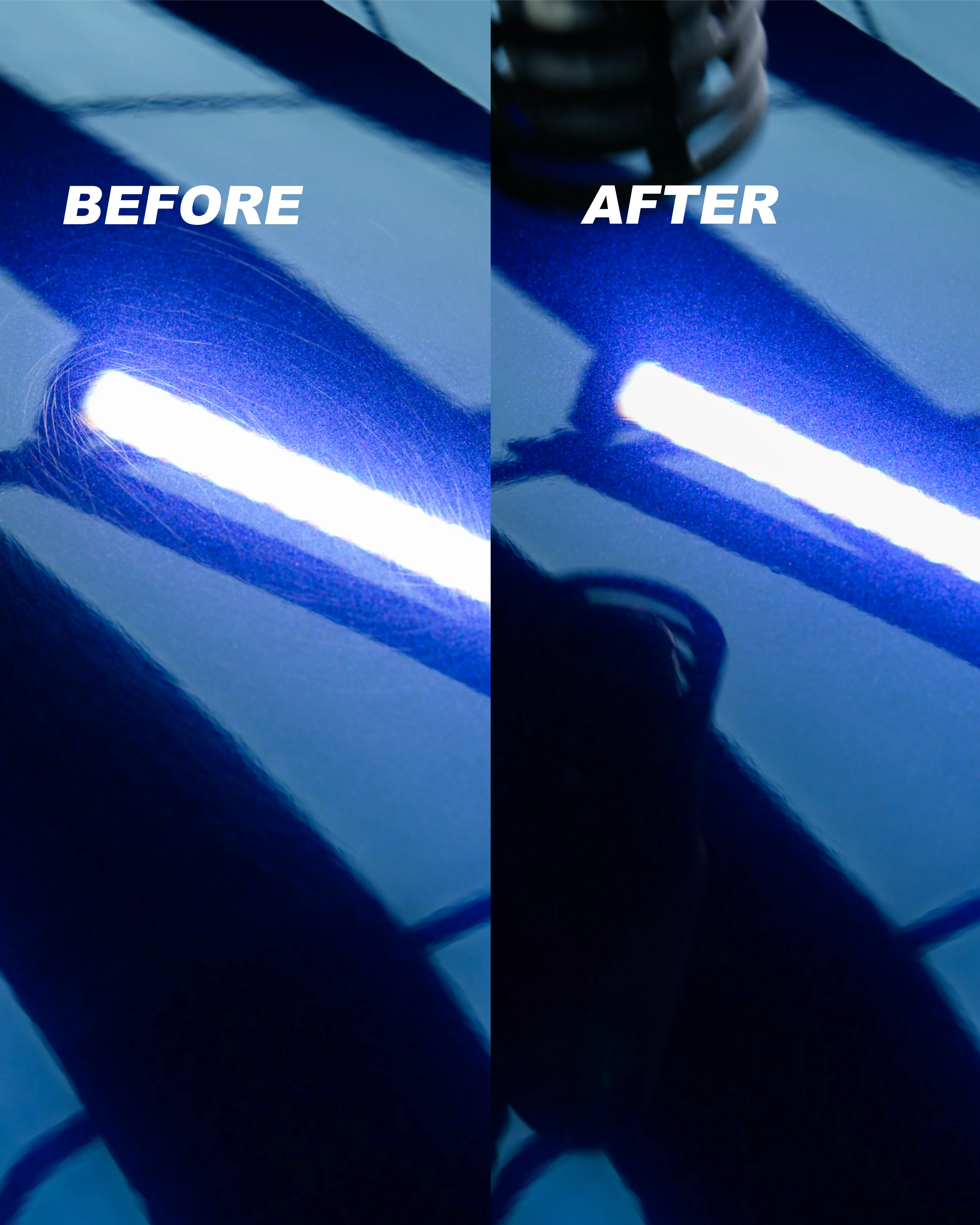
Instead of remaining visible on the surface, light scratches and swirl marks can gradually become less noticeable when self-healing PPF is exposed to heat.
The Science Behind Self-Healing
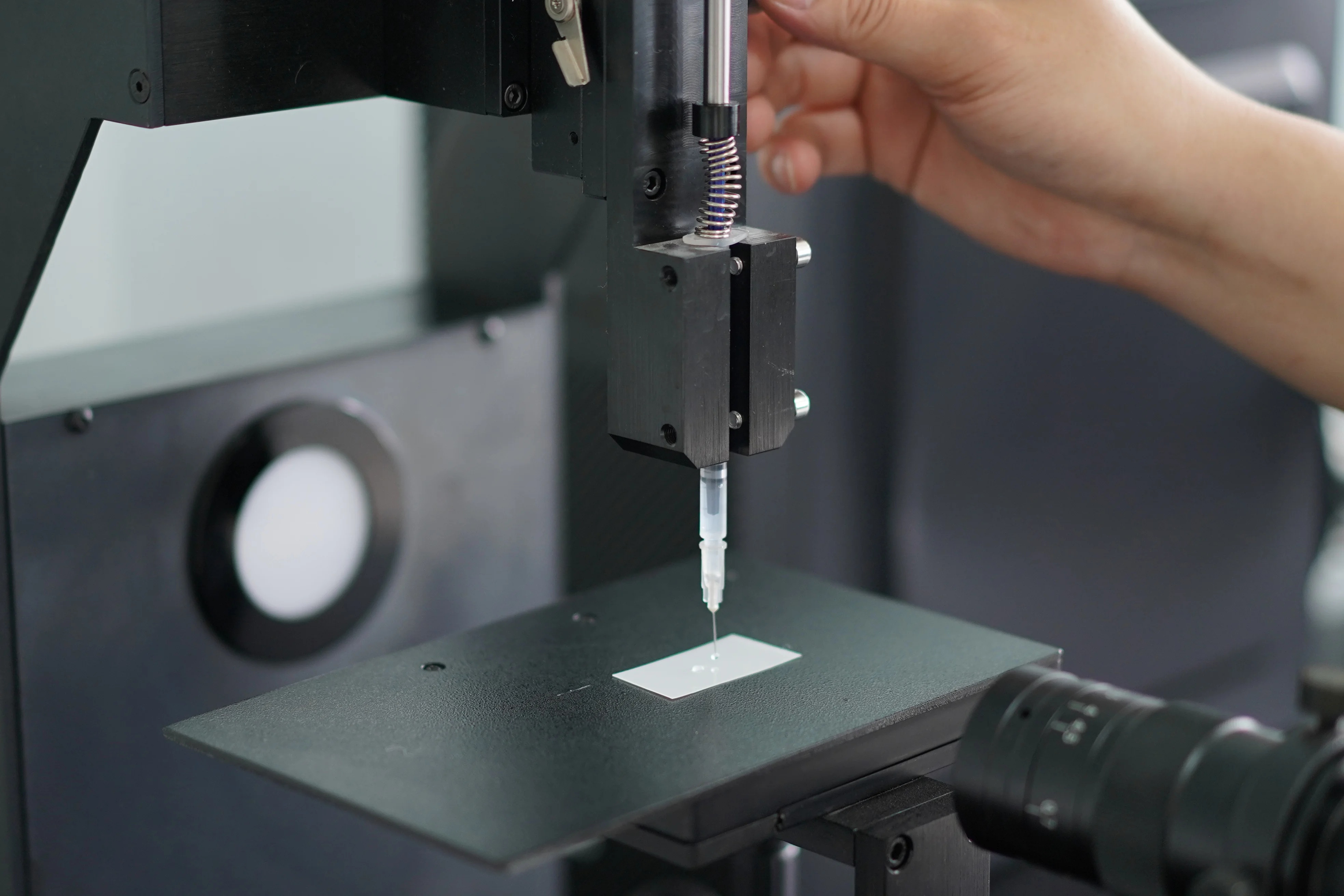
The self-healing process is made possible by the flexible properties of the film’s top coat.
When fine scratches appear, the surface of the top coat becomes slightly deformed. Heat from sunlight, warm water, or another controlled heat source increases the mobility of the polymer chains, allowing the coating to soften and return toward its original form.
As the surface levels out, fine scratches become less visible, restoring a smoother and more uniform finish. Self-healing is most effective on light surface marks and cannot repair deep scratches, cuts, or damage that penetrates the film.
Heat Activates the Recovery Process
One of the most common ways self-healing occurs is through natural sunlight.
On a warm day, the vehicle’s surface temperature increases, activating the self-healing properties of the PPF. For faster results, installers may also use controlled heat during demonstrations or installation checks.
This is why many self-healing tests use:
- Hot water
- Heat guns
- Direct sunlight
to demonstrate how the film restores its appearance.
Why TPU Matters in Self-Healing Performance
The foundation of high-performance PPF is TPU (Thermoplastic Polyurethane).
Not all TPU materials perform the same. The flexibility, molecular structure, and durability of the TPU layer directly influence how well the film can maintain its performance over time.
A premium PPF system requires a balance between:
- Elasticity
- Strength
- Optical clarity
- Surface recovery ability
At CONERGIES, our PPF systems are engineered around advanced TPU technology to deliver long-term durability, flexibility, and consistent protection.
Self-Healing Does Not Mean Damage Disappears Forever
It is important to understand that self-healing technology is designed for minor surface imperfections.
It can help recover:
- Light scratches
- Fine swirl marks
- Surface abrasions
However, deeper cuts that penetrate through the film cannot be repaired by self-healing technology.
The purpose of PPF is to create a durable protective layer between your vehicle’s paint and the outside environment, helping preserve the original finish for longer.
More Than Just Scratch Protection
Self-healing is only one part of what makes premium Paint Protection Film effective.
A complete PPF system combines:
- High-quality TPU material
- Advanced adhesive technology
- Durable top coat protection
- UV resistance
- Hydrophobic performance
Together, these technologies create a protective film that helps vehicles maintain their appearance through years of driving.
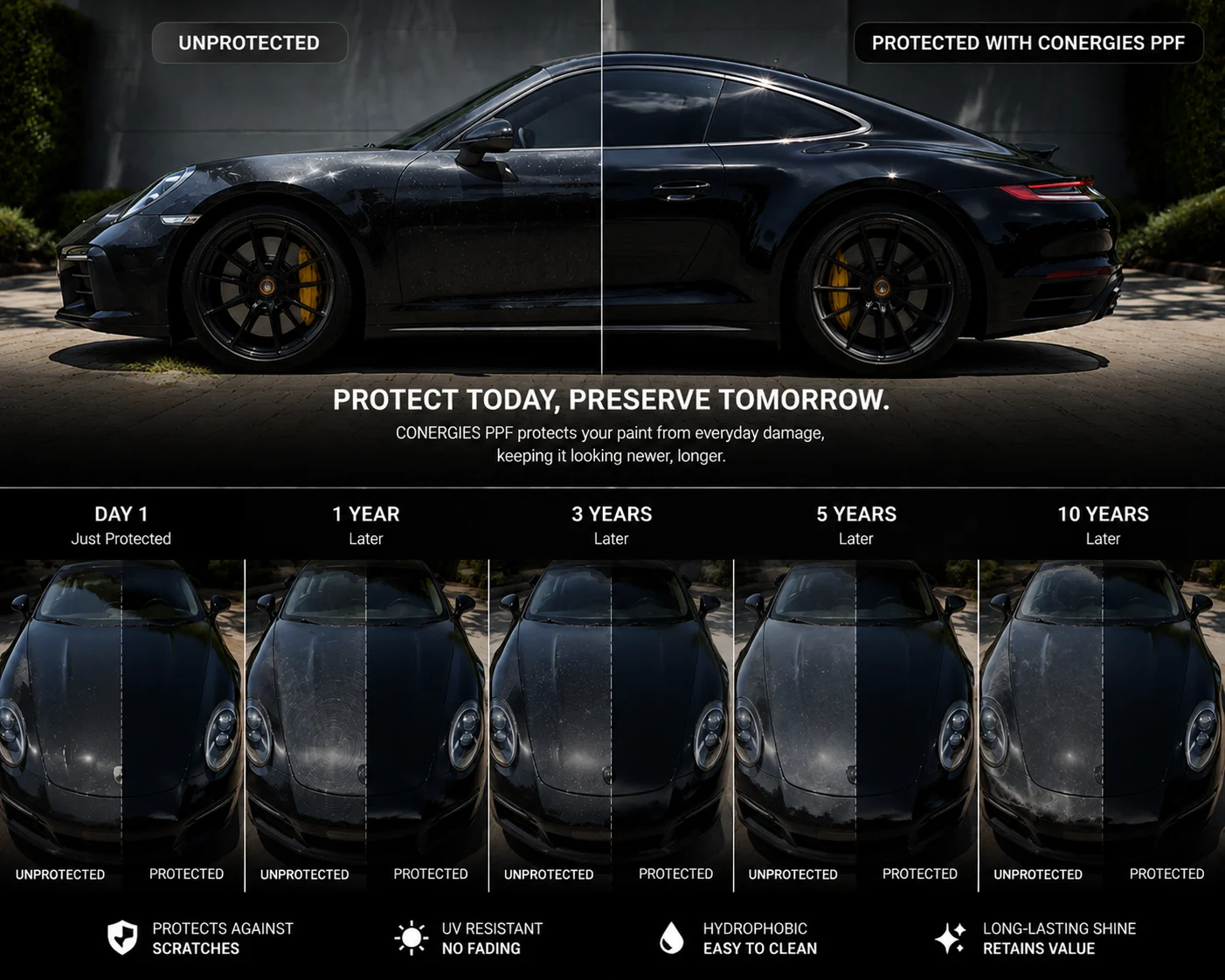
Protection That Restores Itself
A vehicle’s paint faces countless challenges every day. While scratches and marks are difficult to avoid, advanced PPF technology provides a smarter way to protect the surface.
With self-healing technology, CONERGIES PPF helps maintain a cleaner, clearer, and more refined appearance, keeping your vehicle looking its best for longer.