
Frequent highway driving
Prioritize the front bumper, hood and leading edges of the fenders. Specify which panels receive full coverage and where partial coverage will end.
Loose gravel, dirt tracks and rocky trails expose paint to different kinds of wear. Build a clear PPF package around the roads the vehicle actually travels, then choose between 8.5 mil DiamondClear Plus and 9.5 mil DiamondClear Reserve.
Compare Films Talk to Our Team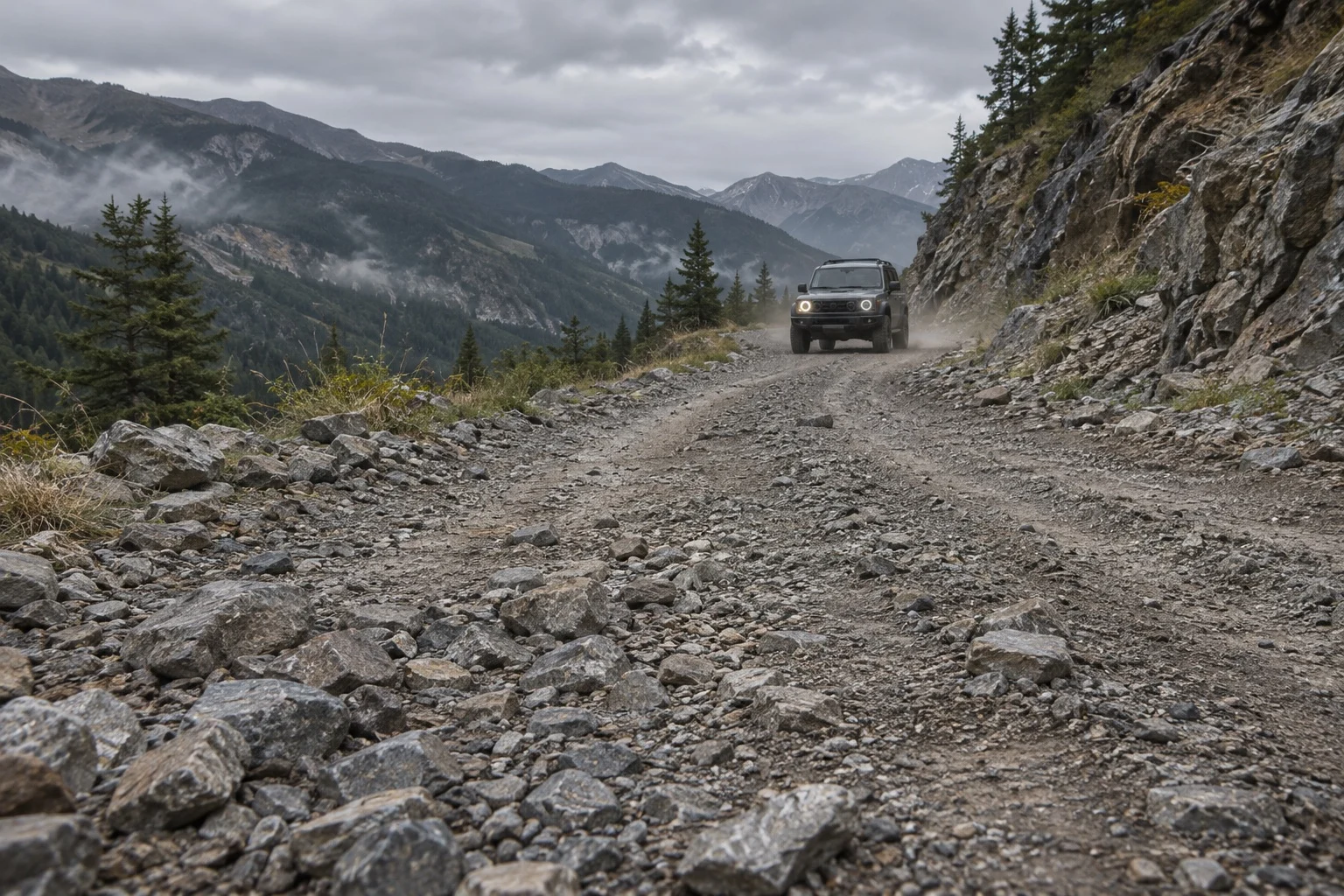
Start with the route and the wear already visible on the paint. A vehicle that spends most of its time on paved highways may need concentrated front-end coverage. Repeated gravel and trail use can also expose the lower sides to debris thrown by the tires.
Prioritize the front bumper, hood and leading edges of the fenders. Specify which panels receive full coverage and where partial coverage will end.
Inspect the painted rockers, lower doors and areas around the wheel arches for repeated debris exposure. Add coverage where the route and the vehicle’s existing wear justify it.
Assess the lower body and any painted areas that routinely pass close to brush or debris. Identify exposed panels before choosing film and explain that sharp contact can still damage the film or paint.
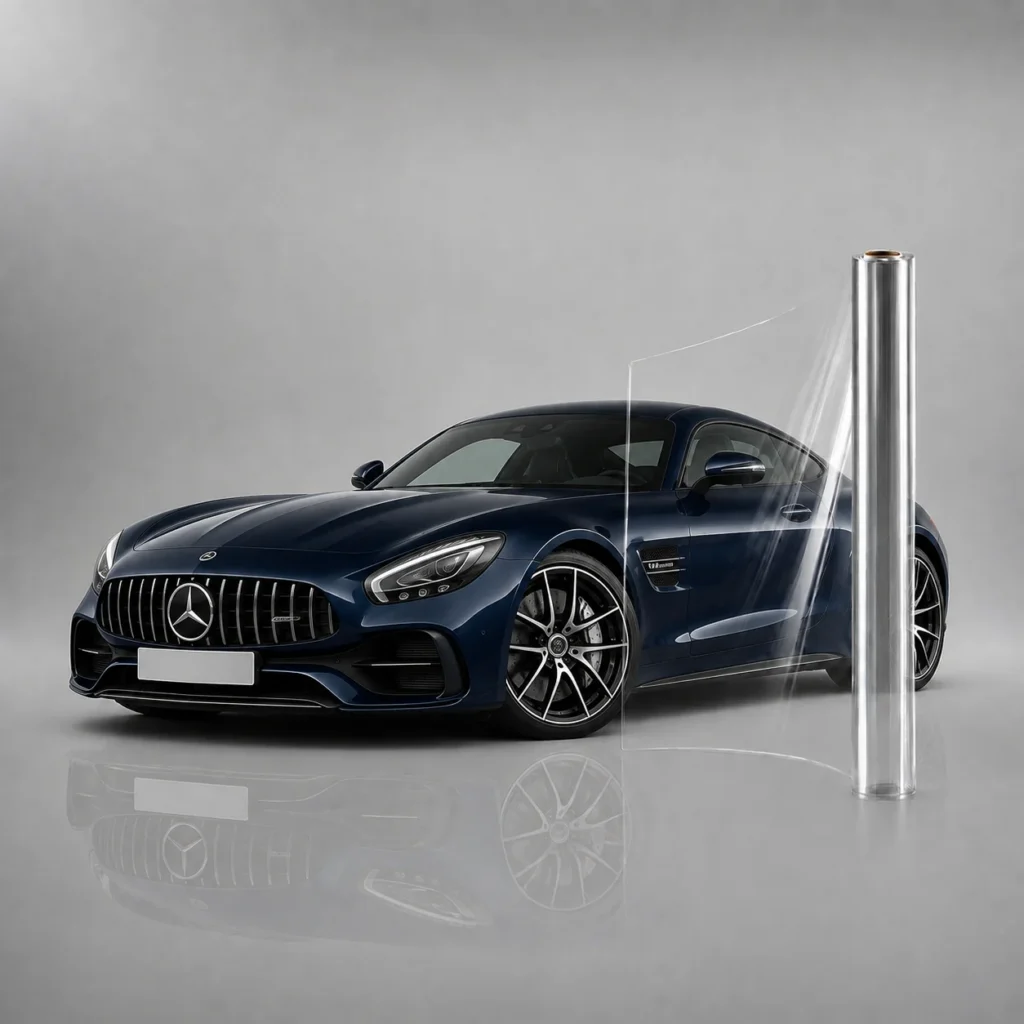
8.5 mil, gloss finish. Consider Plus for frequent highway driving and high-exposure front panels. Discuss the planned coverage and panel shape with the installer before quoting.
View DiamondClear Plus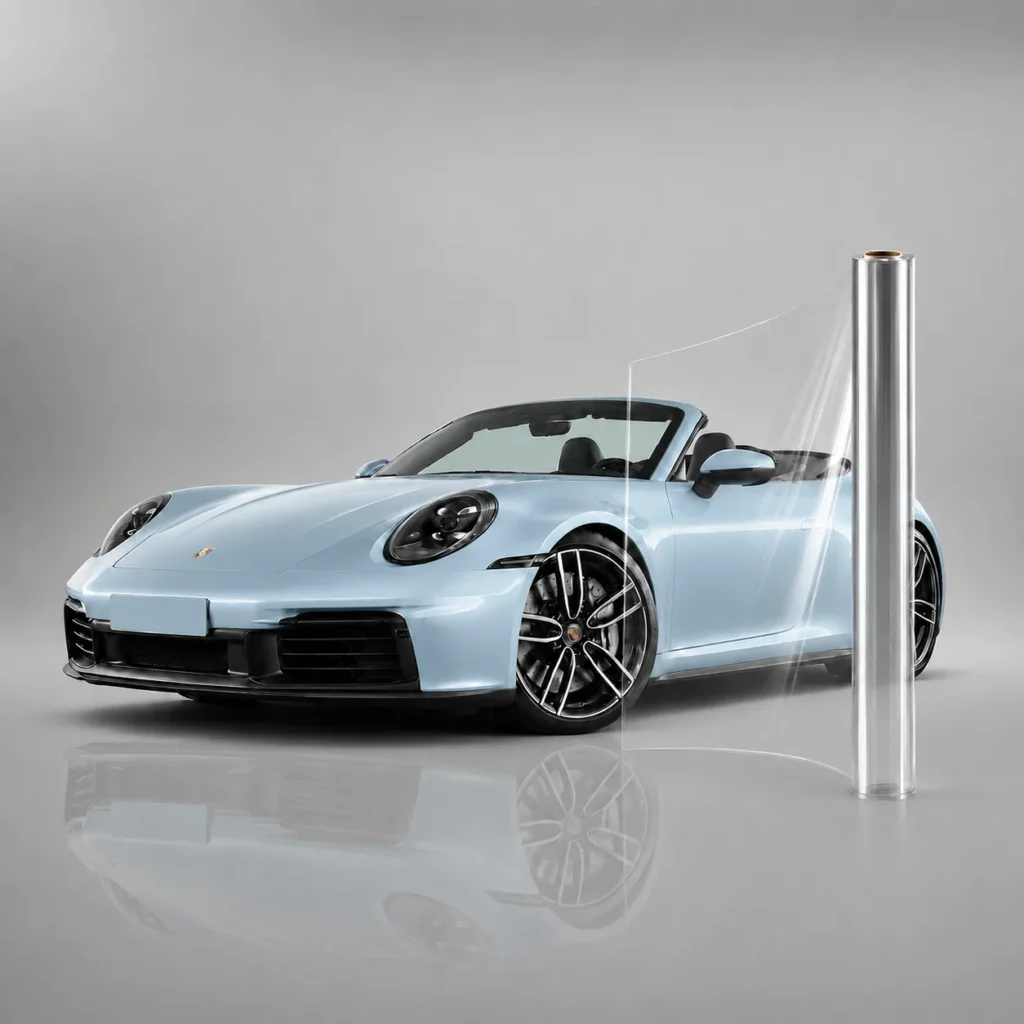
9.5 mil, gloss finish. Consider Reserve for repeated gravel-road or off-road use, especially on exposed panels with recurring debris or abrasion. Confirm the fit and coverage for each panel.
View DiamondClear ReserveInspect the bumper, hood and front fenders first. Agree on full or partial coverage for those panels before considering additional areas.
Inspect the painted lower doors, rockers and areas around the wheel arches in addition to the front end. These areas may receive debris thrown by the vehicle’s own tires.
Consider 8.5 mil Plus for frequent highway use or increased road-debris exposure. Consider 9.5 mil Reserve for more demanding applications such as repeated off-road use. Panel shape and installation requirements also matter.
Start with the routes the customer drives most, the wear already visible and the areas they want to protect. A targeted front and lower-body package may fit the job.
Clear PPF adds a physical layer to covered paint. A sharp branch, heavy impact or debris entering an uncovered area can still cause damage.
List the film, covered panels, full or partial coverage, planned seams and any paint preparation agreed after inspection.
Yes. Identify what each package covers and where the film stops so the customer can decide which areas to prioritize.
Tell us where the vehicle is driven, which panels see recurring wear and what coverage your shop plans to offer.