
Not all Paint Protection Film is created equal. While many PPF products may look similar when first installed, their differences become more apparent over time. Clarity, surface finish, adhesive behavior, resistance to yellowing, and long term durability all contribute to the overall performance of a film.
Understanding what separates high quality PPF from ordinary alternatives can help installers and vehicle owners make more informed decisions.
1. The Quality of the TPU Material
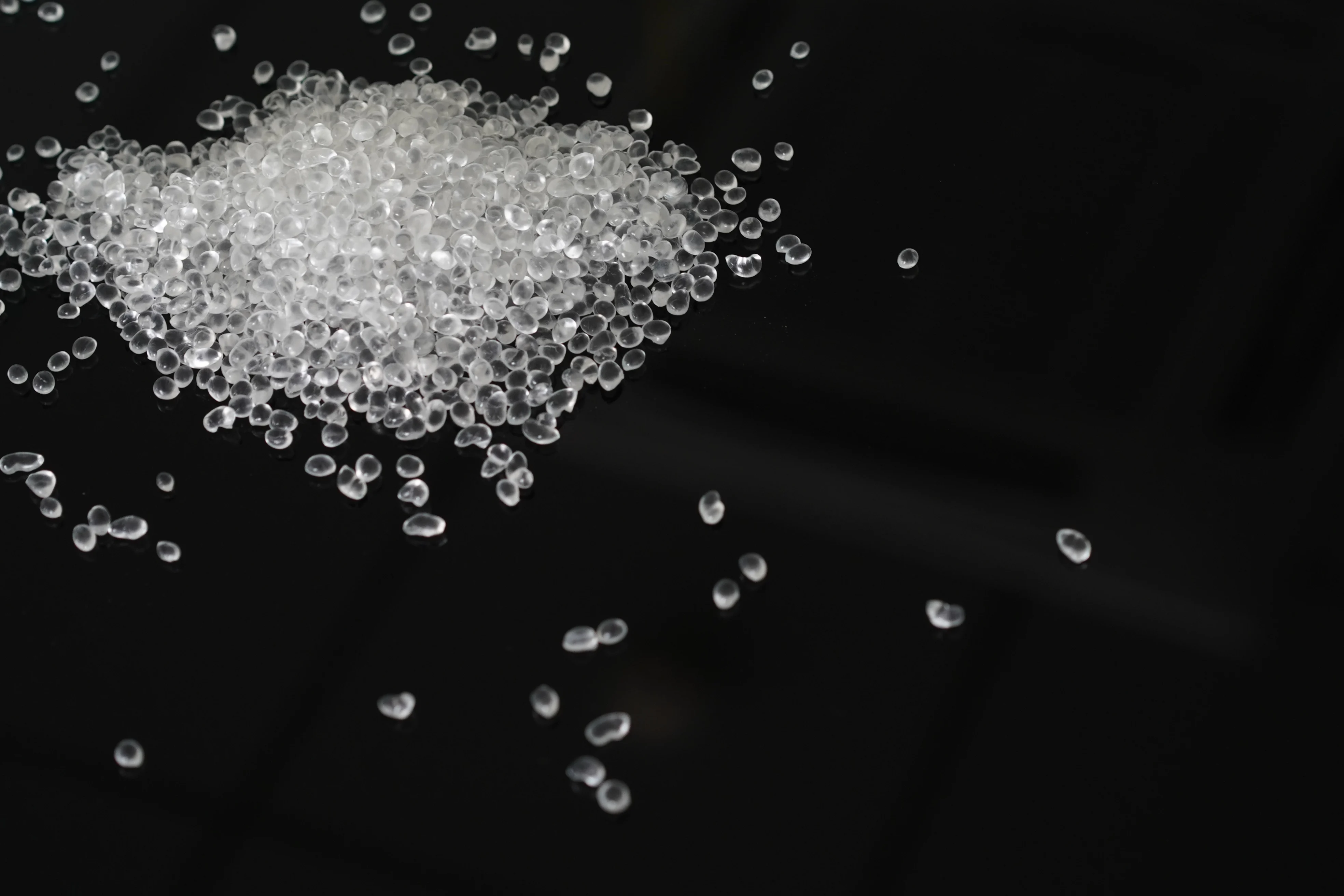
Thermoplastic polyurethane, commonly known as TPU, is one of the most important components of modern PPF. It determines much of the film’s flexibility, elasticity, impact resistance, and ability to maintain its performance over time.
High quality PPF generally uses carefully developed aliphatic TPU. Compared with aromatic TPU, aliphatic TPU offers better resistance to UV induced yellowing, making it more suitable for long term exterior automotive applications.
Material consistency also matters. A stable TPU formulation helps the film maintain its flexibility and physical properties through temperature changes, repeated stretching, and everyday exposure to environmental conditions.
2. Optical Clarity and Surface Appearance
A high quality clear PPF should preserve the appearance of the original paint rather than noticeably change it.
Optical clarity is influenced by the TPU itself, the coating system, film uniformity, and manufacturing precision. A well developed film can provide a clean, transparent appearance while maintaining the depth and gloss of the vehicle’s paint.
Surface texture is another important factor. Some films naturally have a smoother appearance, while others exhibit more visible orange peel. The quality of the finish should be evaluated under different lighting conditions, not just indoors or immediately after installation.
3. A Reliable Topcoat
The topcoat is the outermost layer of PPF and serves as the first line of defense against environmental exposure.
A well designed topcoat helps improve resistance to staining, contamination, UV exposure, and everyday wear. Depending on the formulation, it may also provide self healing properties that allow minor surface scratches to recover when exposed to heat.
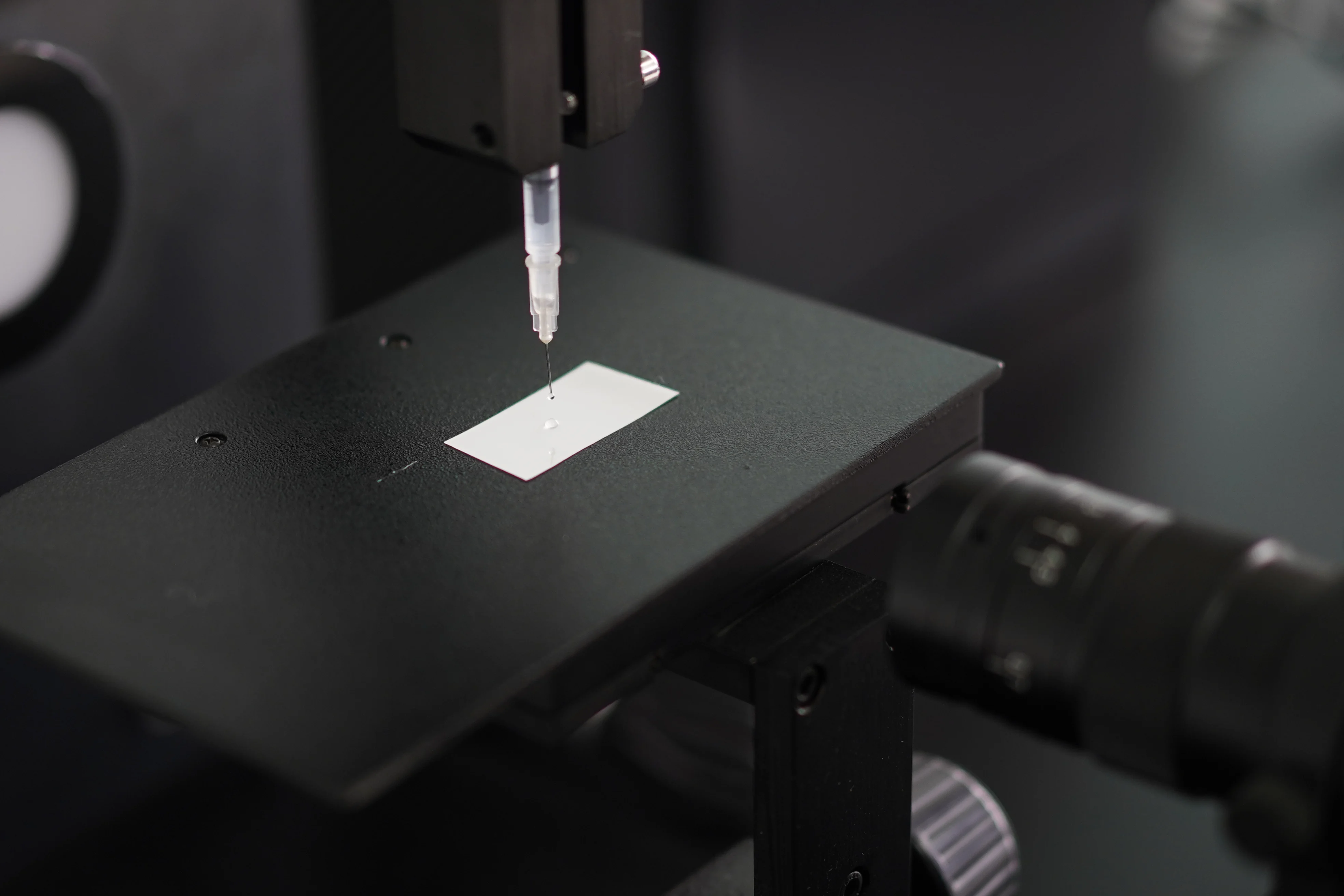
Hydrophilic and hydrophobic surface technologies offer different water behavior. Hydrophilic surfaces allow water to spread more evenly, while hydrophobic surfaces encourage water to form beads.
Neither approach alone determines the overall quality of a film. The performance of the complete coating system is what matters.
4. Adhesive Performance and Installation
The adhesive is often overlooked when comparing PPF, but it plays a major role in installation quality and long term performance.
A well developed adhesive system should provide predictable initial tack, reliable bonding, and sufficient working time for installers to position the film correctly.
Too little initial tack can make positioning difficult, while excessive tack without adequate control can create installation challenges. The balance between adhesion and workability is essential.
Adhesive quality also affects how the film conforms to complex curves, how securely it stays in place, and how cleanly it can be removed when replacement becomes necessary.
5. Resistance to Yellowing and Environmental Exposure
PPF is exposed to sunlight, heat, moisture, road contaminants, and changing environmental conditions throughout its service life.
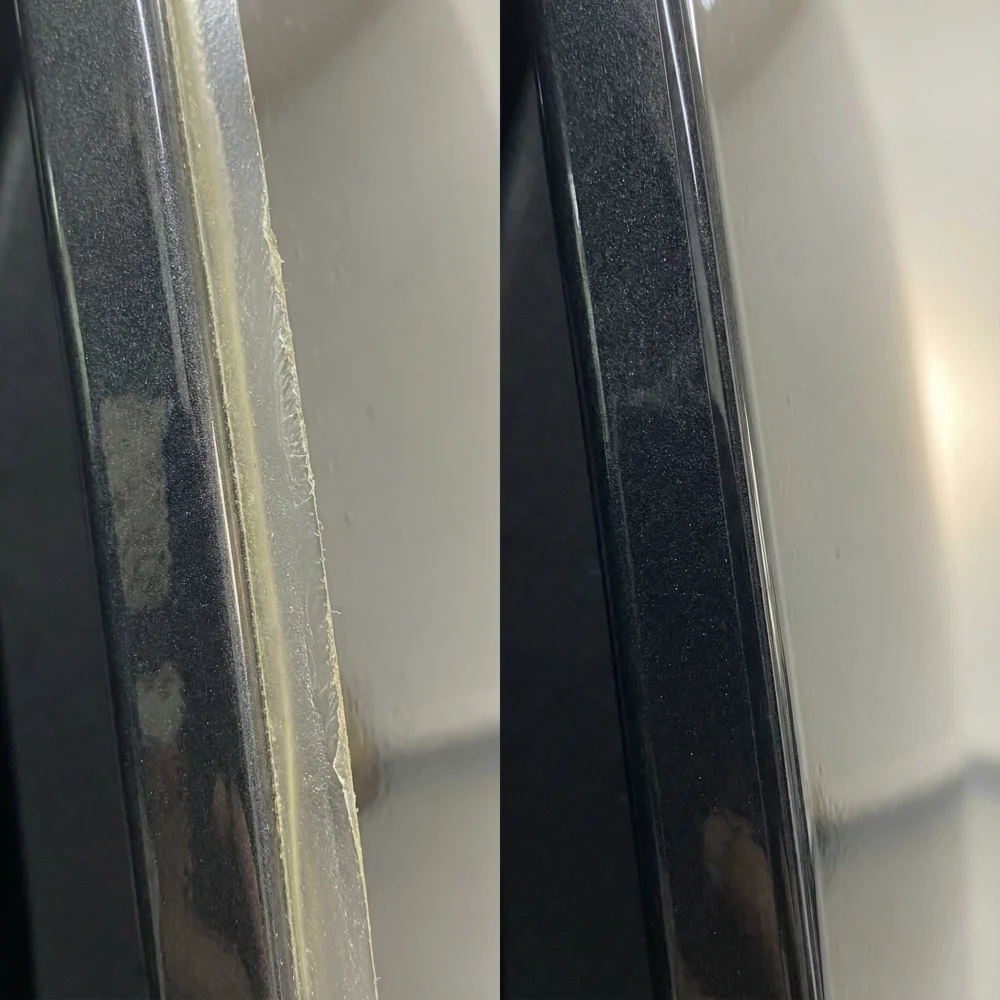
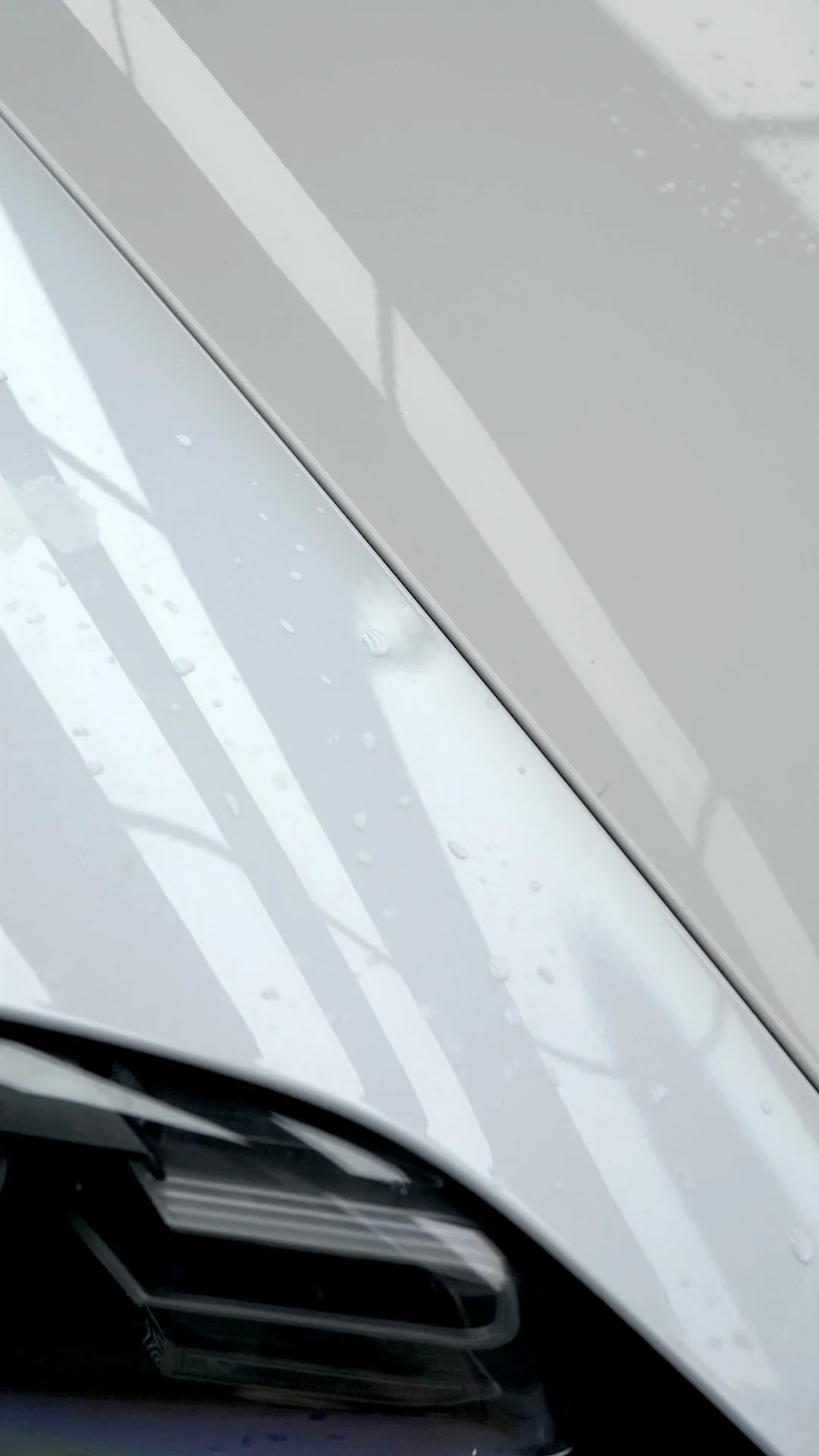
High quality film is designed to maintain its appearance and physical properties under these conditions. Resistance to yellowing, hydrolysis, and degradation is particularly important for clear PPF, where changes in color or clarity are immediately noticeable.
However, no film is completely immune to aging. Actual durability depends on material formulation, manufacturing quality, installation, maintenance, and the conditions in which the vehicle is used.
6. Manufacturing Consistency
A high quality PPF is not simply the result of good raw materials. Manufacturing precision is equally important.
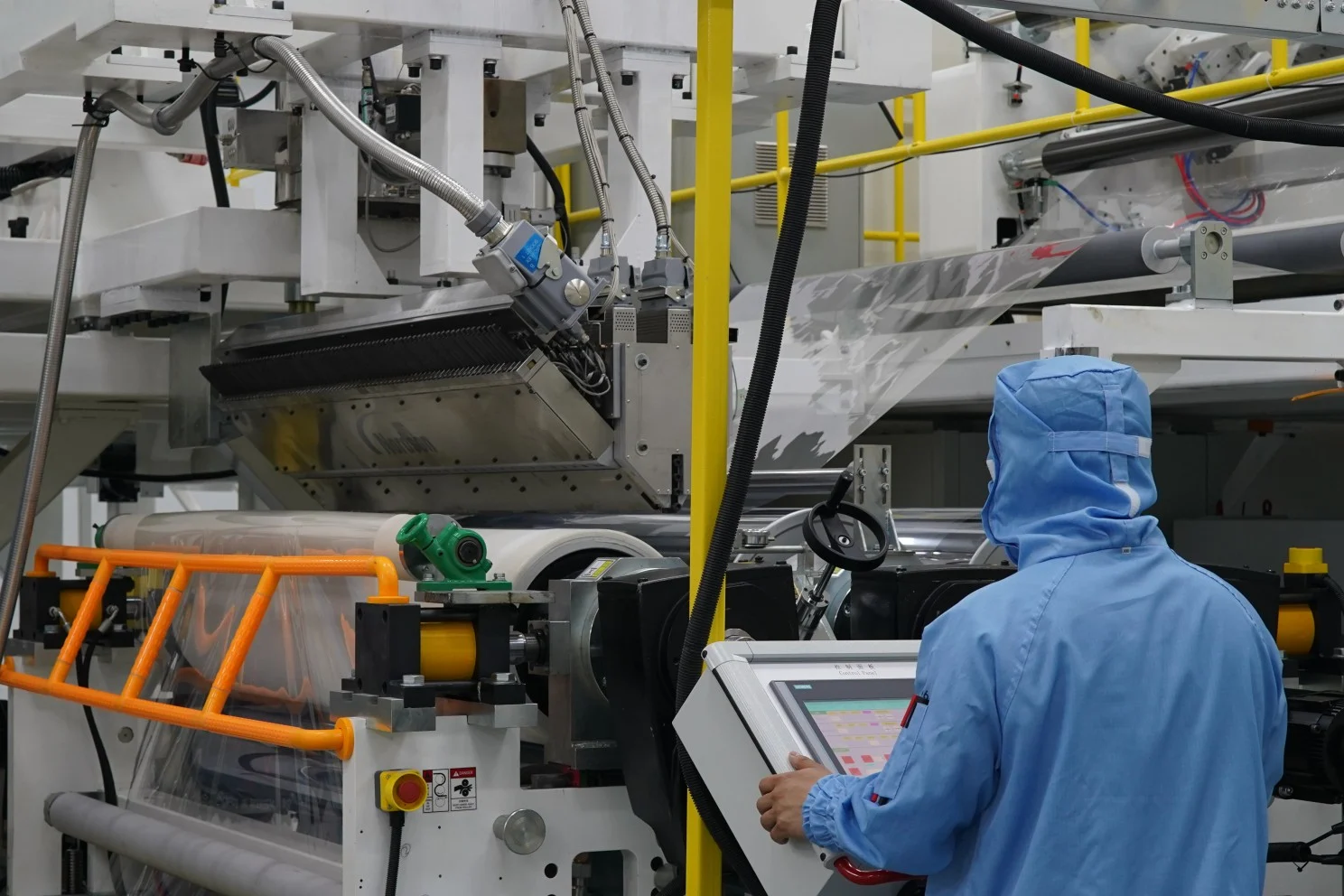
The production process involves multiple stages, including TPU extrusion, coating, adhesive application, and film assembly. Each stage can influence thickness uniformity, surface quality, adhesion, and optical performance.
Consistent production helps reduce variations between rolls and ensures that installers receive film with predictable characteristics.
This is also why a manufacturer’s ability to control its production process can be just as important as the specifications listed on a product sheet.
7. Real Performance Testing
Product specifications provide useful information, but they do not tell the entire story.
A high quality PPF should be evaluated through testing that examines its actual behavior under different conditions. This may include:
• UV exposure testing
• High and low temperature cycling
• Heat and humidity aging
• Impact resistance testing
• Surface scratch recovery testing
• Adhesion and removal testing
• Contamination and stain resistance testing
Testing helps manufacturers identify weaknesses, refine material formulations, and maintain consistent product performance.
8. Why the Complete Film System Matters
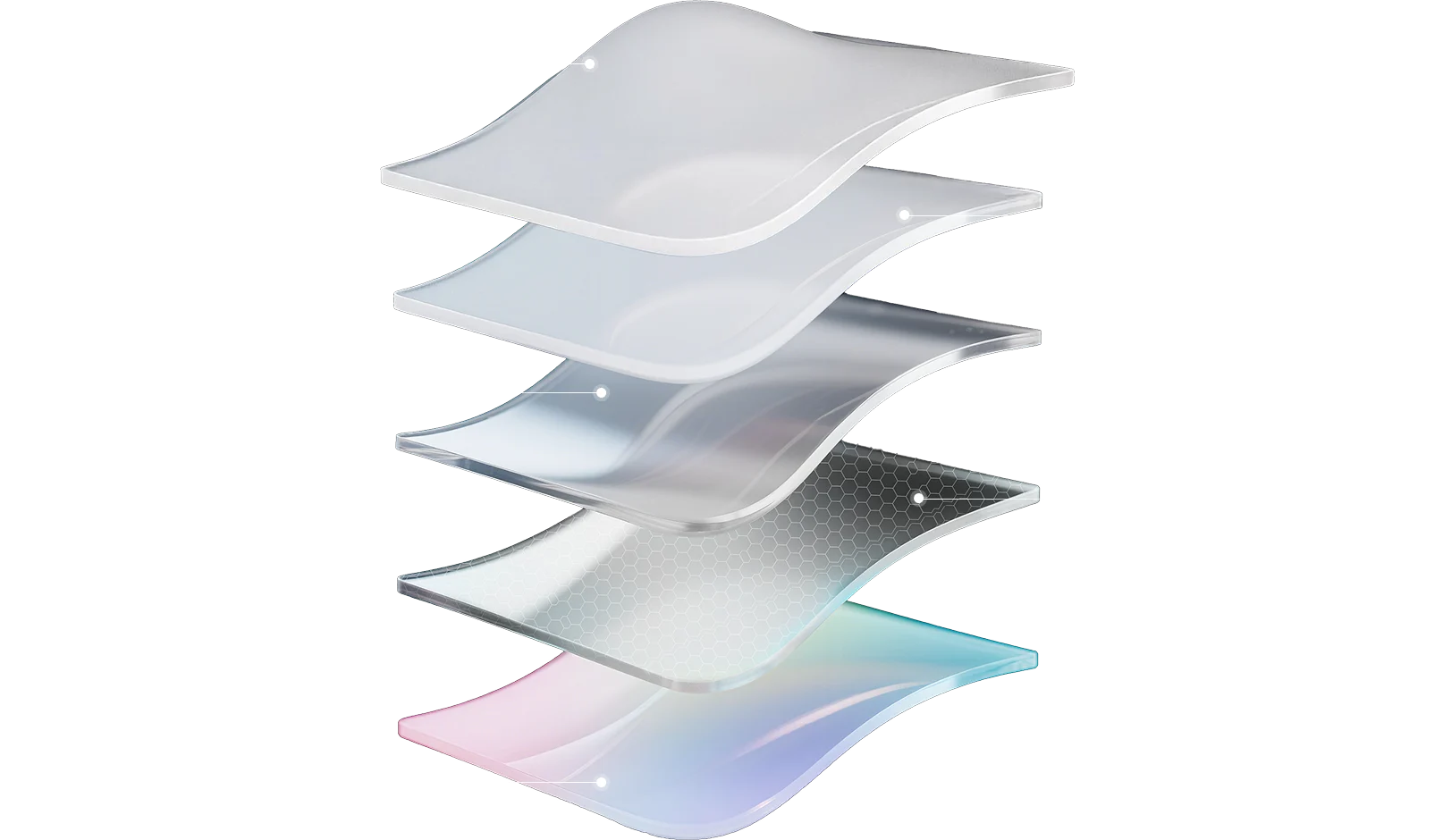
PPF is a multilayer product. Its performance depends on how the TPU, color layer when applicable, topcoat, adhesive, and protective liners work together.
A strong TPU alone cannot compensate for a poor adhesive. A durable topcoat cannot fully correct inconsistent film production. Every layer contributes to the final result.
This is why evaluating PPF as a complete system provides a more accurate understanding of its quality than focusing on a single specification.
Final Thoughts
The difference between ordinary PPF and high quality PPF is rarely defined by one feature.
It comes down to material selection, optical performance, coating technology, adhesive behavior, manufacturing consistency, and verified durability. These factors work together to determine how a film installs, how it looks, and how it performs throughout its service life.
At CONERGIES, we approach PPF development as a complete material and manufacturing process, from TPU raw materials to finished film. Through material development, production control, and performance testing, our focus is on creating protection solutions that deliver consistent results.
Because the quality of a film is not just what you see on day one. It is how it performs over time.