
With so many Paint Protection Film products available today, choosing the right PPF can be difficult.
Thickness, self healing, gloss, hydrophobic performance, price, and installation characteristics are all commonly used to compare films. But no single specification tells the whole story.
A well developed PPF is the result of multiple materials, technologies, and manufacturing processes working together.
1. Start With the Material
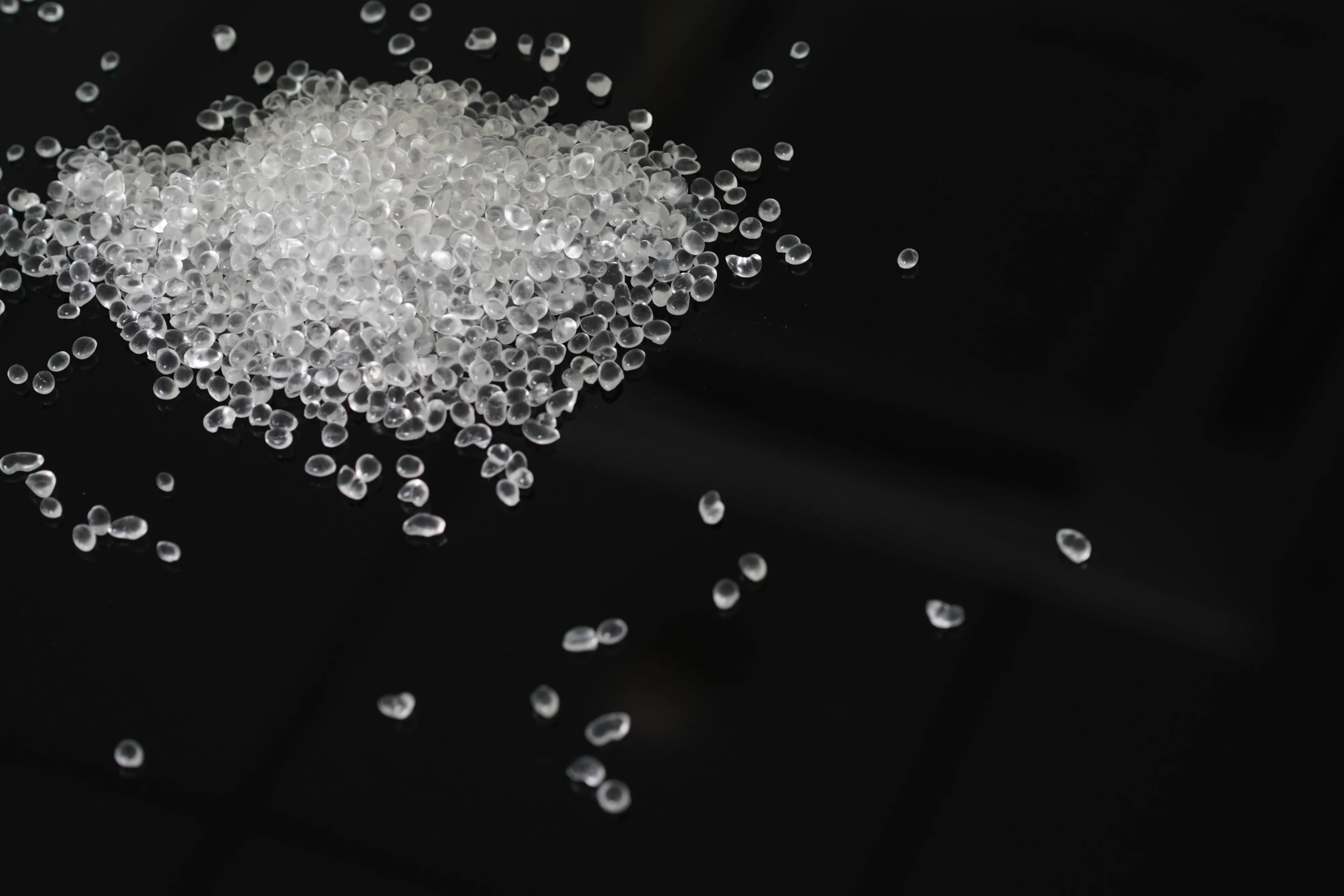
The foundation of modern PPF is thermoplastic polyurethane, or TPU.
A good TPU needs to balance flexibility, strength, elasticity, optical clarity, and environmental resistance. The material should remain flexible enough for installation while maintaining its properties over time.
2. Look Beyond Thickness
Thicker does not automatically mean better.
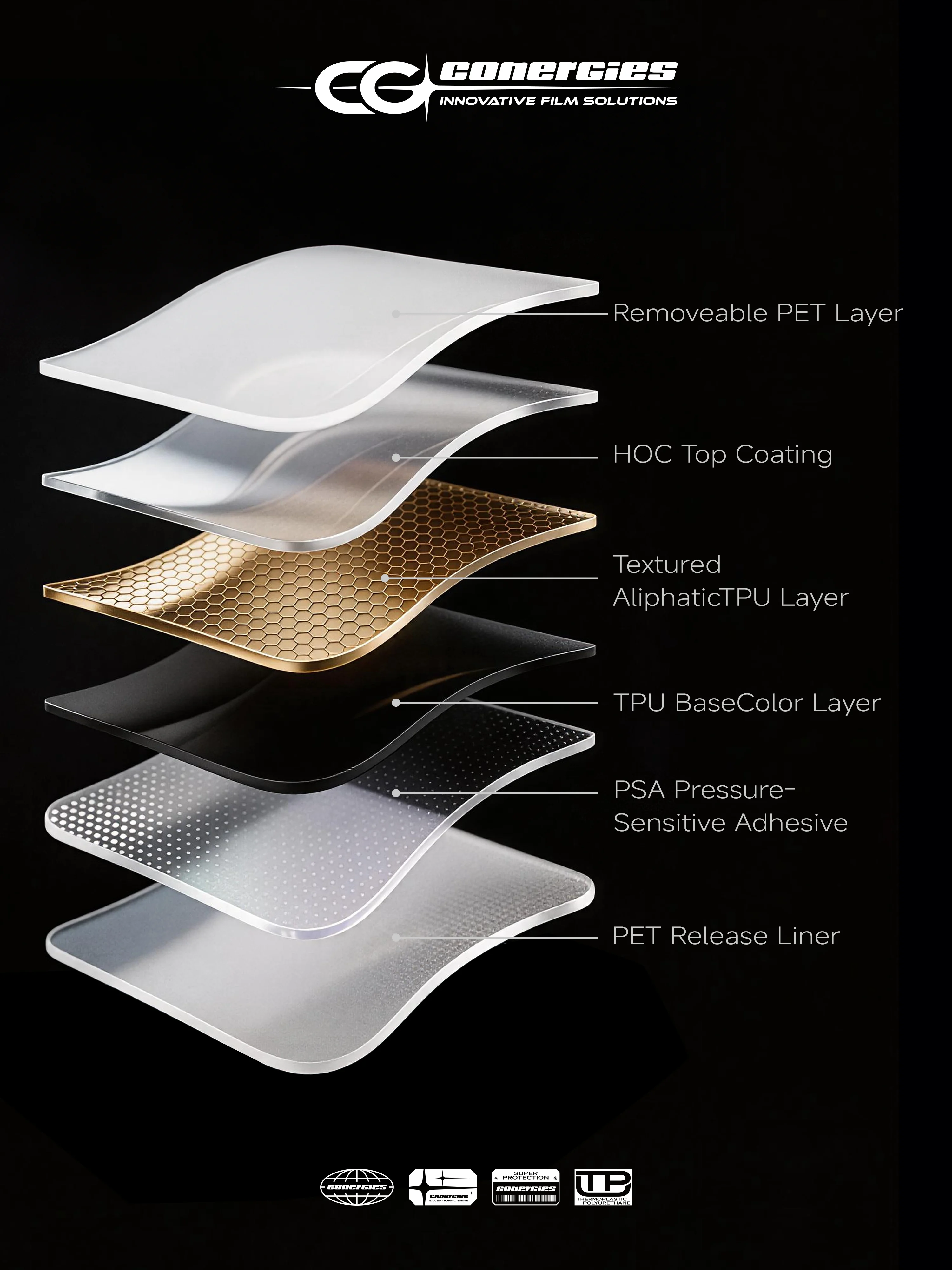
PPF performance depends on the complete film construction, including the TPU, adhesive, and top coat.
The important question is not simply how thick the film is, but how well the entire film is engineered.
3. Optical Clarity Matters
Clear PPF should protect the paint without changing its appearance.
Good optical clarity helps preserve the original color, reflections, and body lines of the vehicle while avoiding unnecessary distortion or cloudiness.
4. Consider the Top Coat
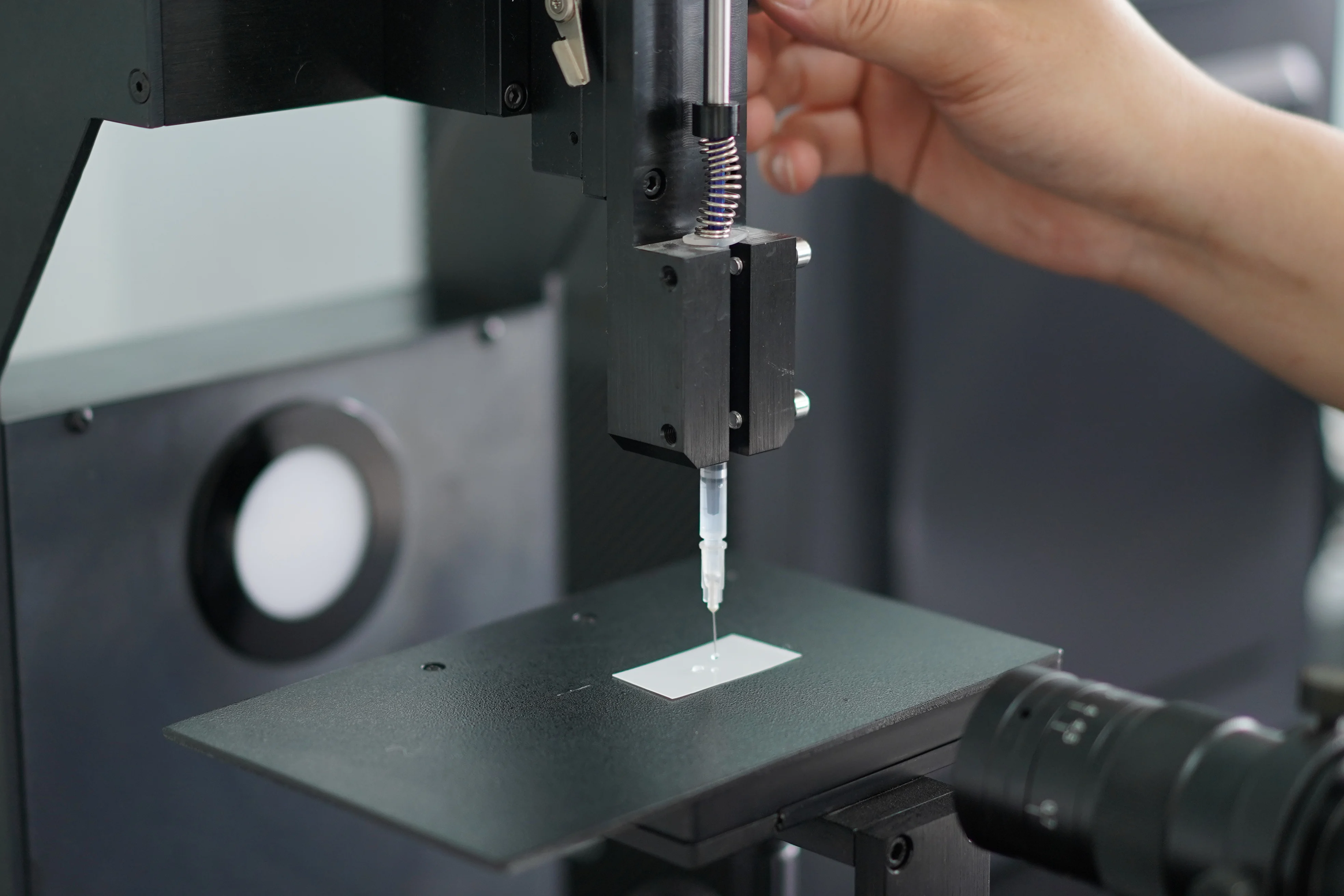
The top coat is the outer surface of the PPF and plays an important role in surface performance.
It can affect self healing, gloss, surface durability, water interaction, and resistance to everyday contamination.
5. Look at Yellowing Resistance
Clear PPF is constantly exposed to sunlight, heat, moisture, and environmental contamination.
Yellowing resistance depends on the complete film system, including the TPU, top coat, adhesive, formulation, and manufacturing process.
6. Pay Attention to Adhesive Performance
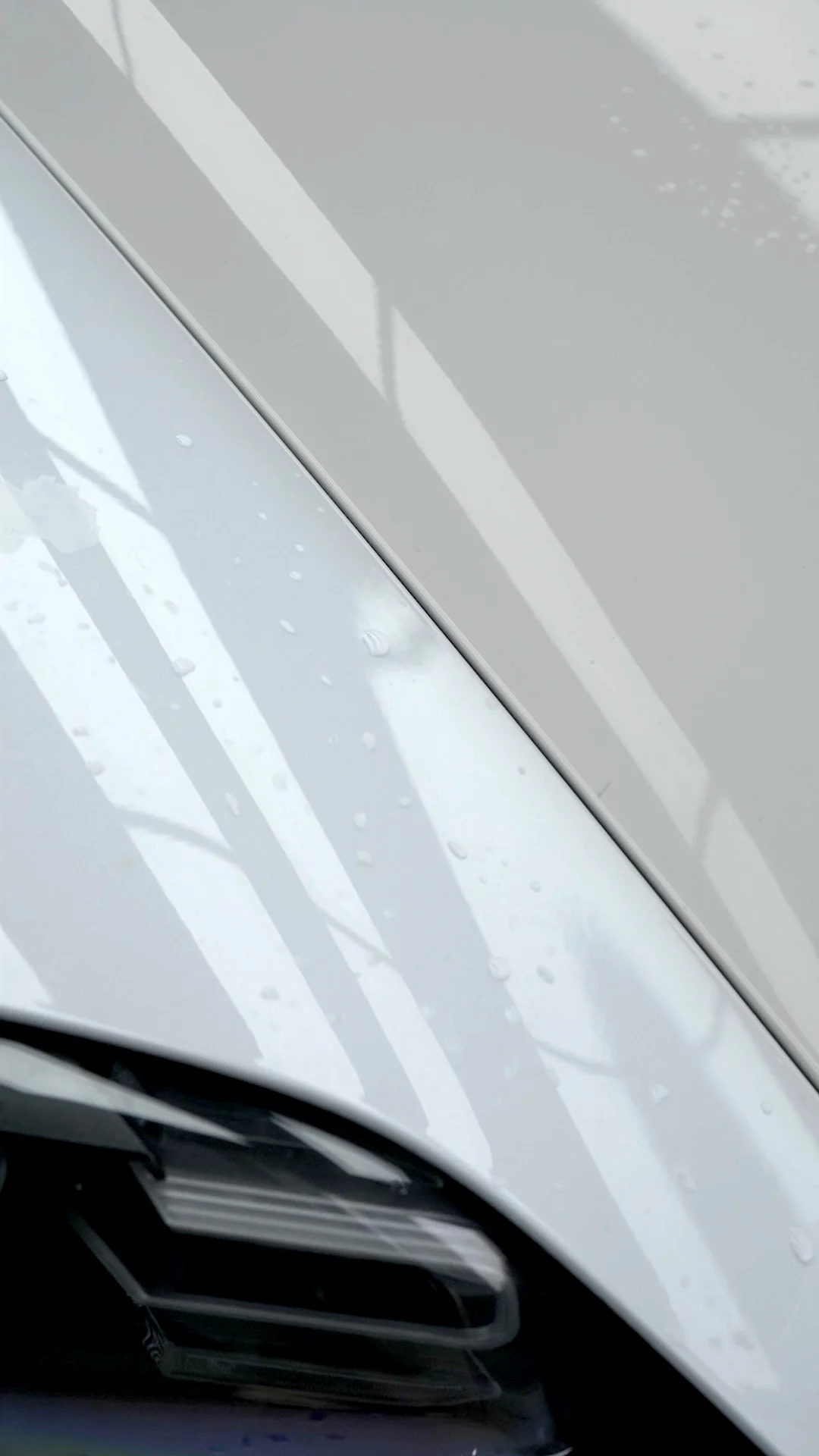
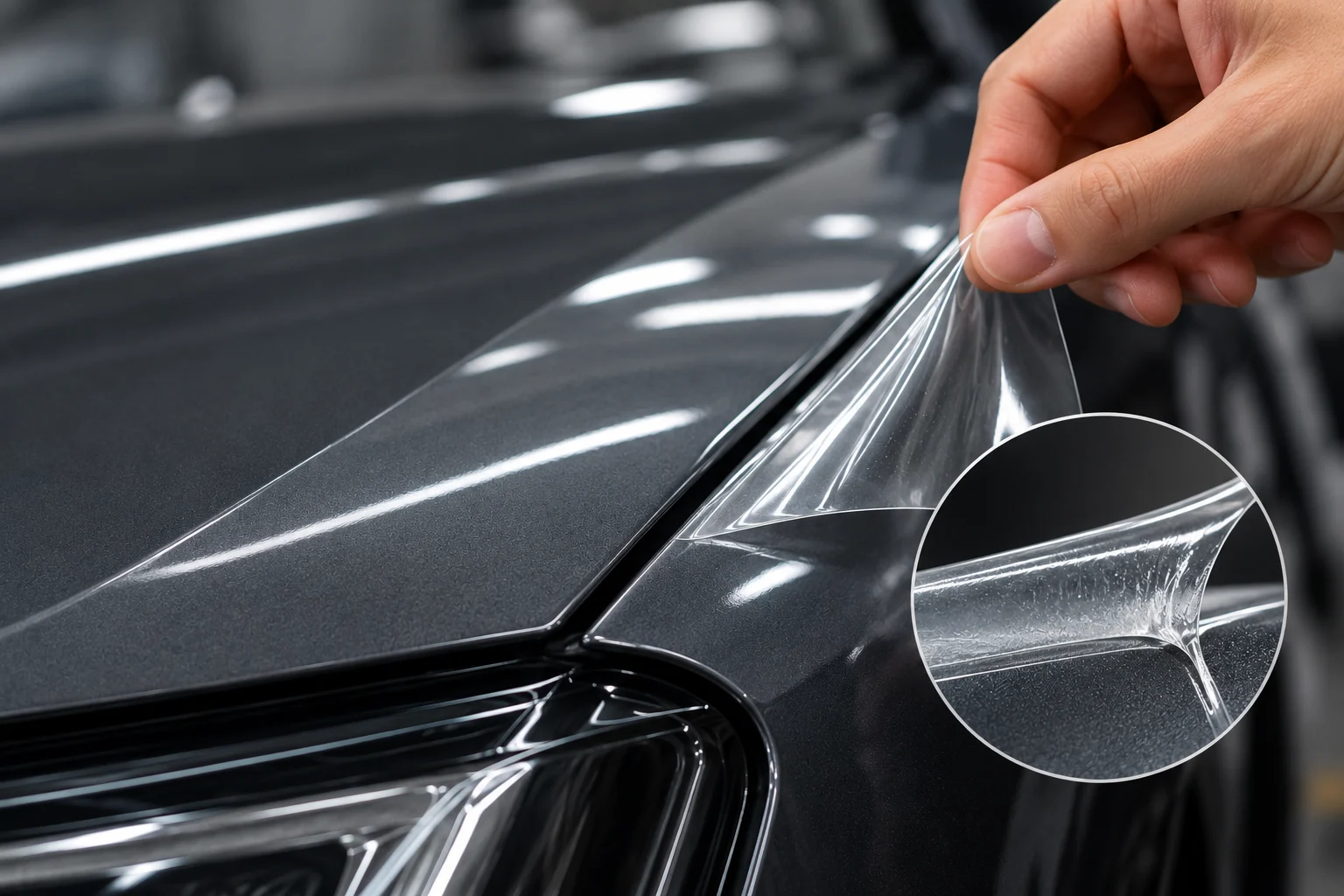
The adhesive affects how the film bonds to the vehicle and how it behaves during installation.
Good adhesive performance should provide reliable bonding while supporting positioning and installation around curves, edges, and complex body panels.
7. Consider Real World Performance
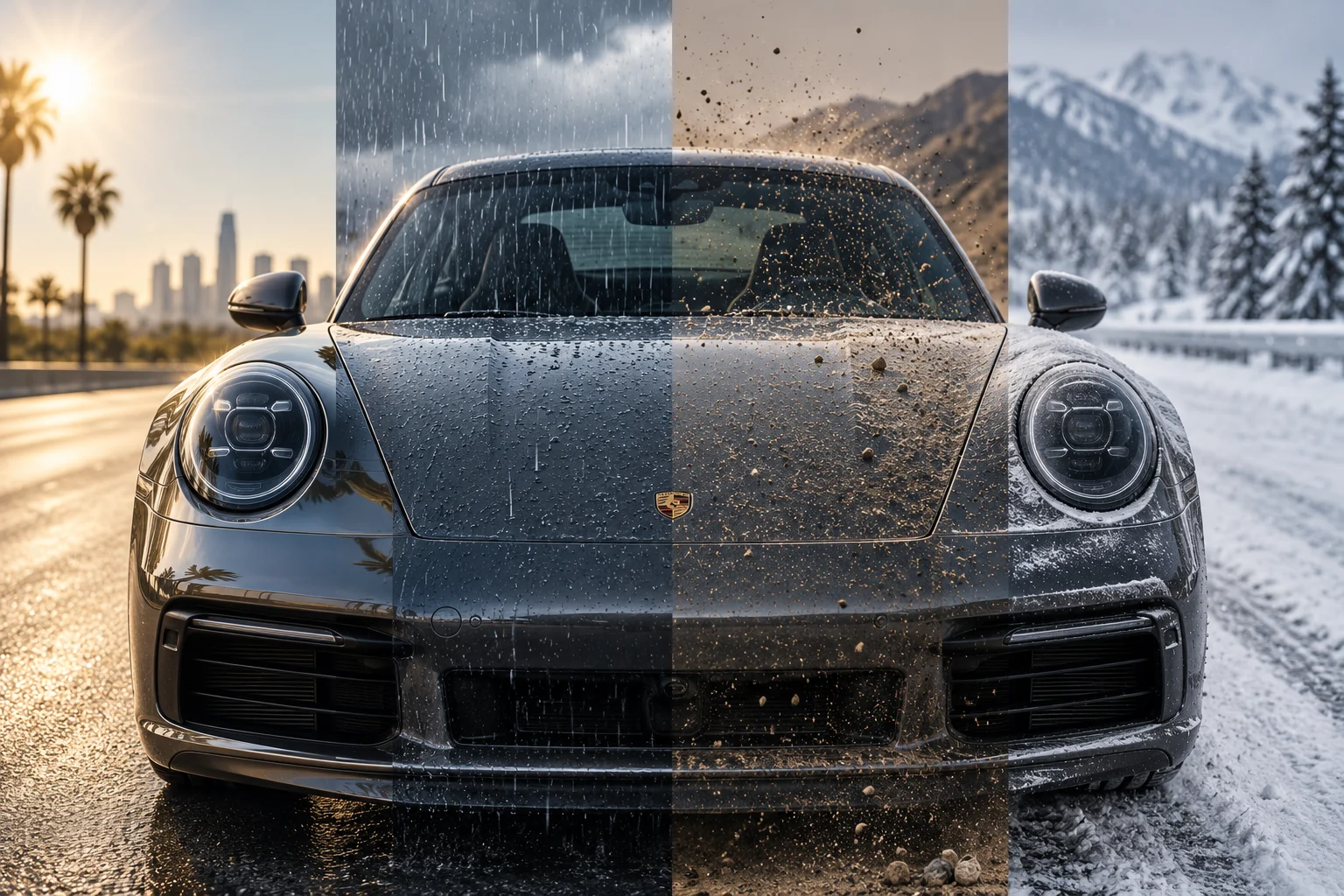
PPF needs to perform outside the laboratory.
Sunlight, rain, humidity, temperature changes, road debris, chemicals, and regular washing can all affect the film. Environmental testing helps manufacturers understand how PPF responds to these conditions over time.
8. Look at the Manufacturing Process
Two films can have similar specifications while being produced through very different processes.
Manufacturing control can affect consistency, surface quality, material integration, and finished film performance. Understanding how a PPF is manufactured can tell you much more than a single specification.
9. Installation Characteristics Matter
A PPF also needs to perform in the hands of an installer.
Flexibility, stretch, adhesion, repositioning, surface behavior, and edge performance can all influence the installation process and final result.
10. Look at the Complete System
PPF should ultimately be evaluated as a complete system.
TPU provides the foundation. The adhesive connects the film to the vehicle. The top coat determines many surface characteristics. Manufacturing brings everything together, while testing helps verify the finished product.
What Does Premium PPF Actually Mean?
“Premium” should mean more than a higher price or a longer specification sheet.
Premium performance comes from the combination of material quality, engineering, manufacturing control, testing, consistency, and long term performance.
A premium PPF should not only look good when it is first installed. It should be designed to maintain its appearance and performance throughout its intended service life.
For manufacturers, that means looking at the entire product from raw material development through production and testing.
For installers and customers, it means looking beyond marketing claims and asking better questions about how the film is made, what materials are used, how it is tested, and how it is expected to perform.
Choosing PPF Is About More Than One Specification
There is no single number that defines a good PPF.
Thickness matters. Clarity matters. Adhesion matters. Surface performance matters. Material stability matters. Testing matters. Manufacturing consistency matters.
The real difference comes from how all of these elements work together.
At CONERGIES, this is the approach we take to PPF development. From material development and film manufacturing to environmental testing and continuous improvement, every stage contributes to the finished product.
Because when evaluating PPF, the better question is not simply “What does the film have?”
It is “How well does the entire system work together?”