
Color Shift: changing tones
As the viewing angle or lighting changes, different tones become visible across the film. A curved fender can show more than one tone at once, while the same shade may look different in sunlight and shade.
Some finishes change tone as the viewing angle moves. Others catch the light as prismatic highlights or reflect their surroundings. Our Color Shift, Laser and Chrome ranges give your shop three distinct looks.
Explore Color PPFTalk to Our Team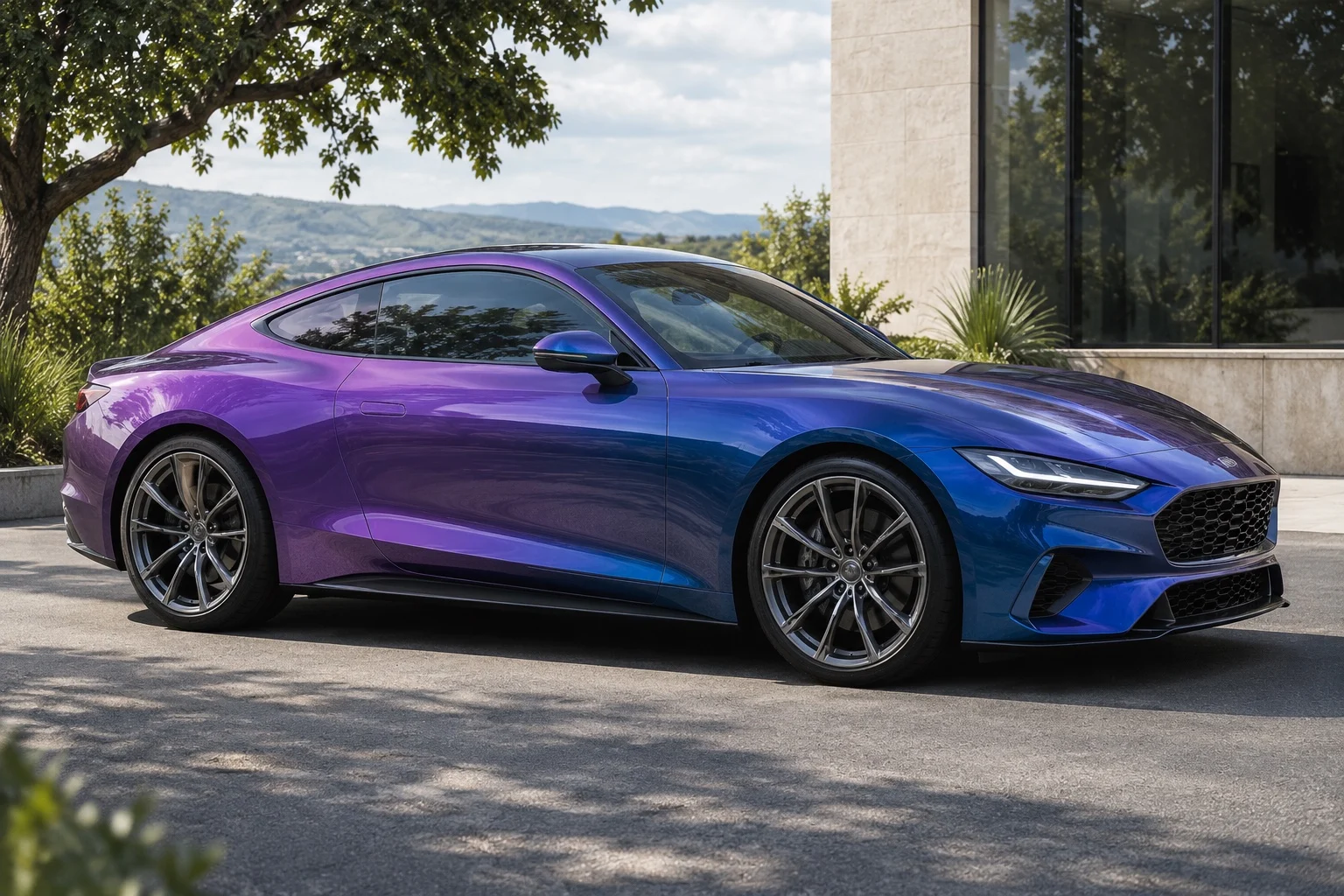
The three effects respond to light in different ways. A color-shift film changes the visible tone, a laser finish adds prismatic highlights, and chrome reflects the surroundings.
As the viewing angle or lighting changes, different tones become visible across the film. A curved fender can show more than one tone at once, while the same shade may look different in sunlight and shade.
Laser finishes produce rainbow-like highlights where light catches the surface. The highlight sits within the overall finish and changes position with the light and viewing angle.
Chrome has a highly reflective surface. Instead of showing the same color in every setting, its appearance is influenced by the light, shapes and colors reflected from the surroundings.
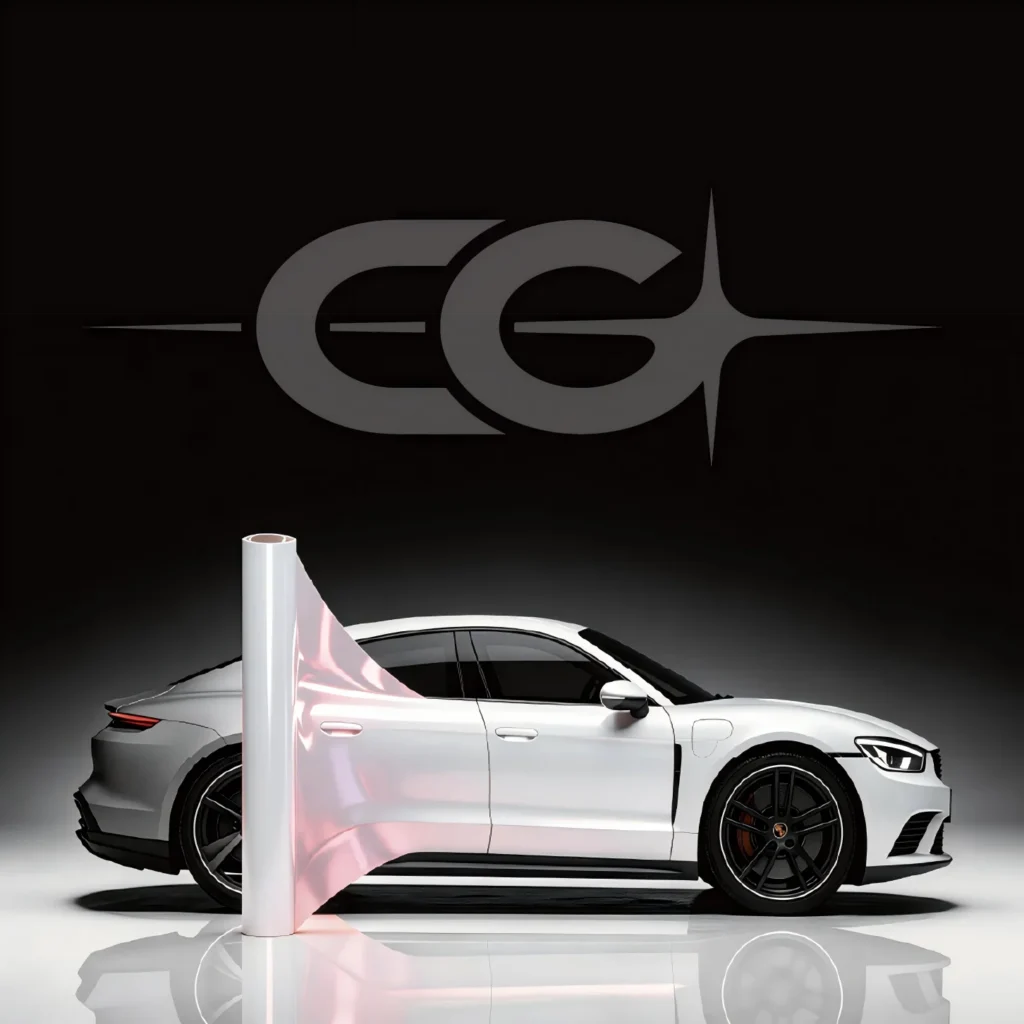
For customers who want the visible tone to change with light and viewing angle.
View Color Shift Series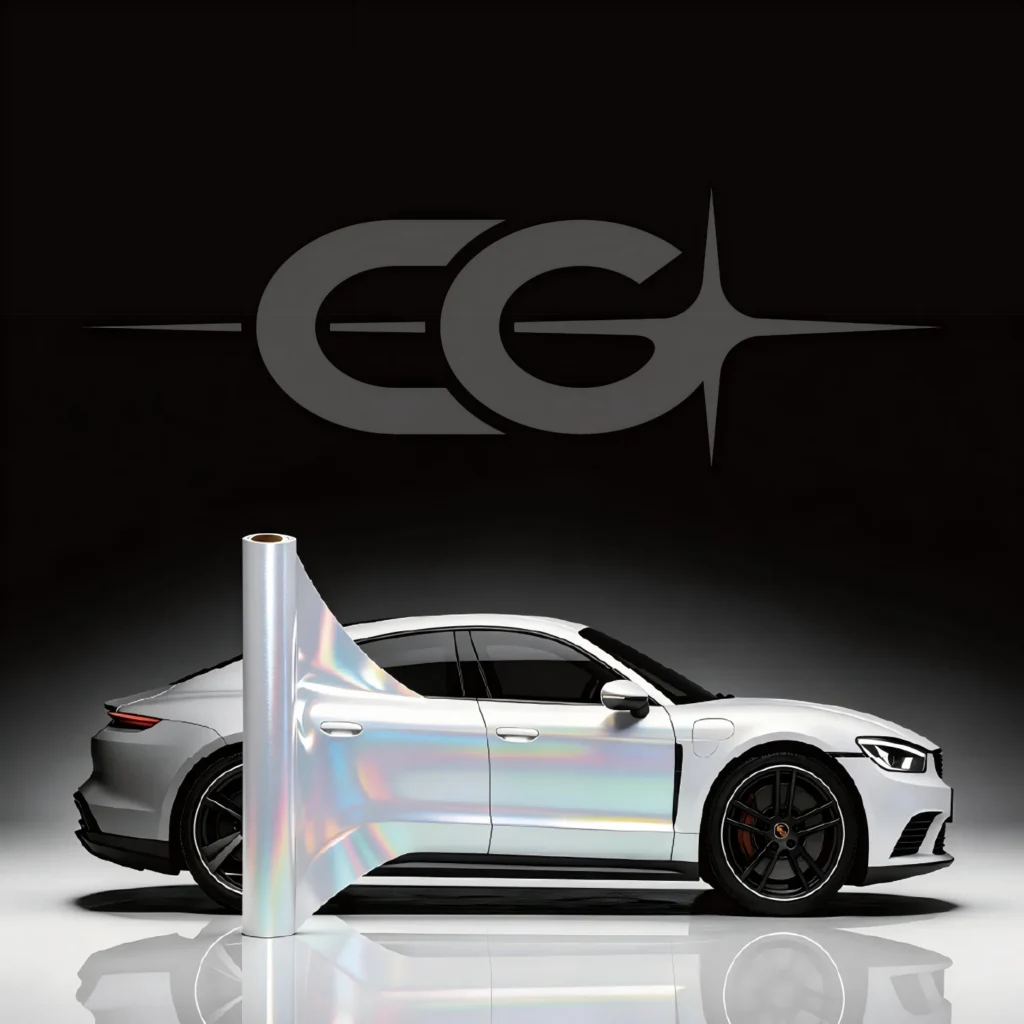
For projects built around prismatic highlights and changing reflections.
View Laser Series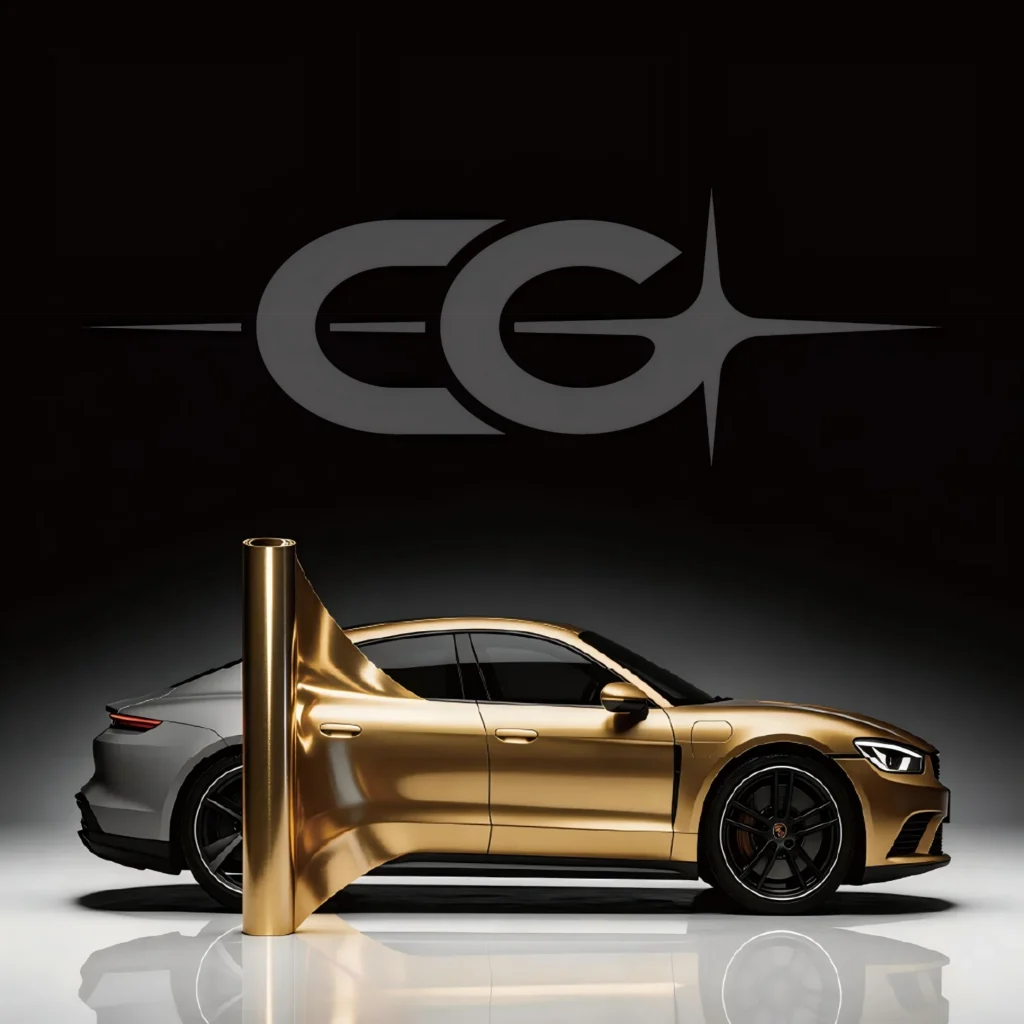
For a highly reflective finish that mirrors the surrounding environment.
View Chrome SeriesColor Shift can show different tones as light and viewing angle change. Laser produces prismatic highlights where light catches the surface.
Lighting, camera settings, viewing angle and panel shape affect the visible finish. Approve the shade on the vehicle rather than from a screen alone.
A larger swatch on a flat panel and a curved panel lets your customer see how the finish responds to direct sun, shade and workshop light.
Check the current instructions for the selected finish. Plan the orientation across adjacent panels and assess the effect on curves before cutting.
Yes. Agree where the film will meet the original paint and show your customer how the effect looks next to that color.
A panel can be re-filmed, but an exact visual match should not be promised. Keep the product and batch details and compare the replacement under several lighting conditions.
Record the approved series, shade, roll or batch, covered panels and applicable care and warranty details.
Tell us which effect your customer wants and the panels you plan to cover. We can help you find the relevant series information.