
Holographic PPF adds prismatic highlights that change with the light and viewing angle while placing a protective film over the paint. For your shop, the right choice delivers the appearance your customer approved and lets your installers produce a consistent finish at a workable job cost.
Start with the customer’s vehicle and the kind of finish they want. A bright rainbow reflection in a product image can attract an enquiry, but the buying decision needs a physical sample and a realistic fitting assessment.
Compare Holographic PPF with Other Color Film Options
Start with the finish the customer wants, then choose the range your shop needs to sample and supply. CONERGIES Laser Series provides the holographic option. The other series below offer different visual results and help you handle enquiries that begin with “holographic” but develop into another finish preference.
Holographic Finish for Prismatic Briefs
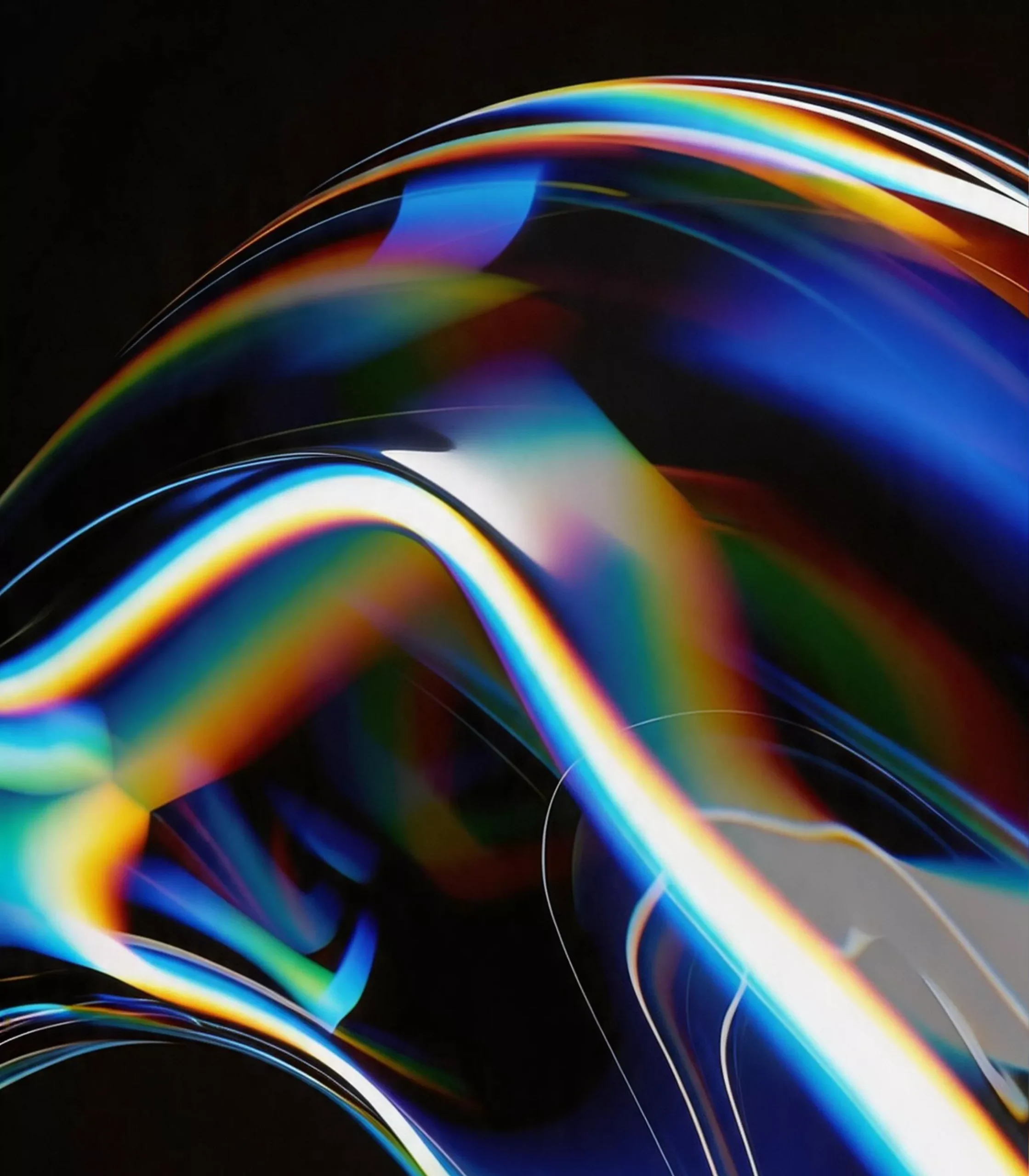
Laser Series creates prismatic highlights that move as the lighting or viewing position changes. Its aliphatic TPU construction encloses the color layers, while its heat-responsive HYPEROPTICOAT topcoat helps light surface scratches and swirl marks recover. Sample it first for custom builds where rainbow reflections are central to the design.
| Product | Main features | Suitable customer needs |
|---|---|---|
| Laser Series | Prismatic reflections over a color finish; flexible aliphatic TPU | Holographic styling and expressive custom vehicle transformations |
Color Shift and Chrome for Alternative Effects
Color Shift Series changes its visible tones with angle and light, making it useful when the customer wants the vehicle’s overall color impression to change. Chrome Series produces defined, mirror-like reflections for a highly reflective finish. Keep samples of both beside Laser so the customer can approve the specific effect before your shop orders film.
| Product | Main features | Suitable customer needs |
|---|---|---|
| Color Shift Series | Multiple shifting tones with a smooth, paint-like surface | Customers seeking an angle-dependent color transformation |
| Chrome Series | Mirror-like reflections that emphasize body contours | Bold custom builds and promotional vehicles needing strong reflectivity |
Solid Metallic and Textured Finishes for Other Briefs
When sampling points toward a different appearance, compare the remaining color PPF options by sheen, metallic detail and pattern. These finishes broaden a shop’s offering without implying that every decorative PPF produces a holographic effect.
| Product | Main features | Suitable customer needs |
|---|---|---|
| Gloss Series | Solid nonmetallic colors with a smooth, high-gloss finish | Customers wanting a clean, paint-like color change |
| Gloss Metallic Series | Fine metallic particles add depth and sparkle to high gloss | Metallic styling with clear reflections and subtle light response |
| Satin Matte Series | Satin gives a gentle sheen; matte softens reflections | Understated color changes with reduced surface shine |
| Satin & Matte Metallic | Fine metallic detail beneath a soft satin or muted matte finish | Metallic depth with a quieter, less reflective appearance |
| Structured Textures Series | Carbon-fiber and stone-inspired patterns with visual depth | Material-inspired styling without replacing painted panels |
For B2B sampling and quotations, identify the series and approved finish, then confirm current availability and fitting guidance. The series pages list a maximum width of 5 ft and standard lengths of 10, 15 and 50 ft, with custom lengths available. Installation requirements still vary: most Gloss colors support dry or wet fitting, while G1160 Jet Black requires wet installation. Confirm the exact product before allocating materials or installation time.
Choose Holographic PPF in Real Light
Show the sample in direct light, open shade and the workshop. A finish that produces distinct highlights under a concentrated light source may look quieter under diffuse light. Let the customer see that range before agreeing on a full installation.
View a larger sample against the vehicle rather than making the decision from a small swatch held in the air. Move around it and observe it from a normal standing distance. This makes it easier to judge whether the effect suits the body shape and the customer’s expectations.
A flat door and a curved fender face the light differently. Their reflections can therefore vary even when they use the same film. When comparing adjacent panels, view equivalent areas under comparable light before deciding that a difference comes from the material or fitting.
Keep a reference to the approved physical sample with the job. Photographs can help document the choice, but exposure, screen settings and lighting can change how the effect appears. Describe the finish the customer saw, including its quieter appearance in shade, rather than promising that the strongest highlight will be visible all the time.
Judge Holographic PPF During Installation
A good-looking flat sample is only the start of the installation decision. Trial the candidate film on a representative curve or return that your team regularly handles. Evaluate the finished area as well as the ease of positioning it.
CONERGIES Laser Series uses aliphatic TPU with color layers enclosed between two TPU layers. Its adhesive has air-release channels to support dry application, and supplied TackEase wipes assist positioning by temporarily reducing initial tack on suitable areas. Follow the product guidance for their use.
During the trial, observe how readily your installer can lift and reposition the film, clear trapped air and finish the return. Then inspect the appearance where the material has been shaped. If a section looks uneven, assess the fitting method and tension before continuing across the vehicle.
Plan the layout around the exact finish. If the product’s installation instructions specify an orientation, maintain it across adjoining pieces. Don’t assume every holographic film has the same directional behavior or can tolerate the same stretch.
The useful result is a completed panel your team can repeat. A film that feels quick to place initially can still require extra finishing or rework. Include that experience when deciding whether to introduce it as a regular option.
Price and Stock Holographic PPF by the Job
Compare the cost of the completed job, including usable film and installation time. A lower roll price can lose its advantage if the panel layout creates more waste or the finish needs repeated fitting attempts. Record the material used and the finishing time during your trial so the quote reflects the way your shop actually works.
Allow for the agreed edge coverage, trim work and preparation. Show these in the scope instead of leaving the customer to assume that every visible surface, return or door jamb is included. A clear scope also makes two quotations easier to compare.
For stocking, start with shades that match enquiries you are receiving. A sample range can give customers a choice without tying up the same amount of money as multiple full rolls. Order less common finishes around confirmed work and check replenishment before committing the bay to a date.
Retain the product and roll details with the installation record. They provide a useful starting point if a damaged panel needs new film later, although a future replacement should still be compared with the existing finish.
Explain the applicable Warranty and Care terms when quoting. Manufacturing-defect coverage is separate from road damage and normal wear. Avoid presenting a warranty period as a promise that every future panel replacement will be free.
Choosing a Holographic PPF Range for Your Shop
Holographic PPF earns a place in your range when customers want its particular light response and your installers can deliver the approved result consistently. A custom shop may have regular demand for expressive finishes; another business may be better served by offering them to order.
Keep Laser, Color Shift and Chrome samples distinct in your display so customers can describe the result they want. Build your quotation from the film and fitting method you have assessed, then offer a scope your team can deliver. A focused range with reliable fitting and replenishment is more useful than a large collection of effects that rarely becomes completed work.
Holographic PPF FAQs
Is Holographic PPF the Same as Holographic Vinyl?
No. “Holographic” describes an appearance, not the material construction. CONERGIES Laser Series is TPU paint protection film. A vinyl product with a similar decorative effect is a different material option. Compare the exact film’s intended use and protection claims rather than treating a similar finish as proof of equivalent performance.
Can Holographic PPF Self-Heal?
Laser Series has a heat-responsive topcoat that may recover from light surface scratches and swirl marks. Deep cuts or damage through the topcoat fall outside that capability. The decorative finish does not make the film scratch-proof.
Can Holographic PPF Be Used on Selected Panels?
Selected-panel work is possible, but the transition to uncovered paint remains visible. Agree on complete panel boundaries and the intended contrast before fitting. For a continuous color transformation, discuss coverage across the vehicle rather than promising that a partial installation will blend invisibly.